Inside the Blog
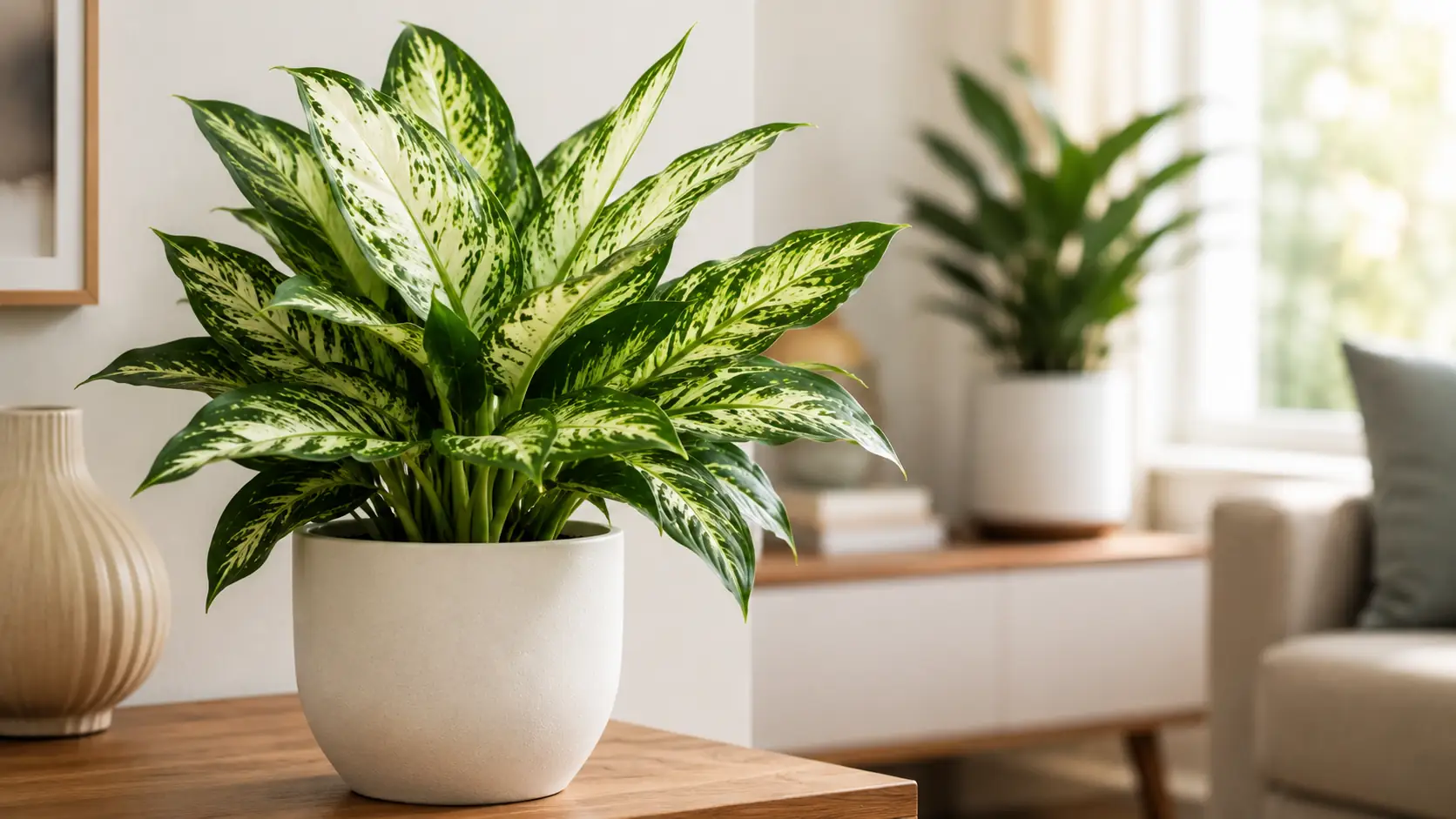
Chinese evergreen is one of the easiest indoor plants to grow, making it an excellent choice for beginners and experienced plant owners alike. It adapts well to lower light, tolerates average indoor humidity, and comes in a wide range of attractive foliage colors. With the right balance of light, watering, and warmth, an Aglaonema can remain healthy and colorful for many years.
Light: The Rule of Thumb for Aglaonema
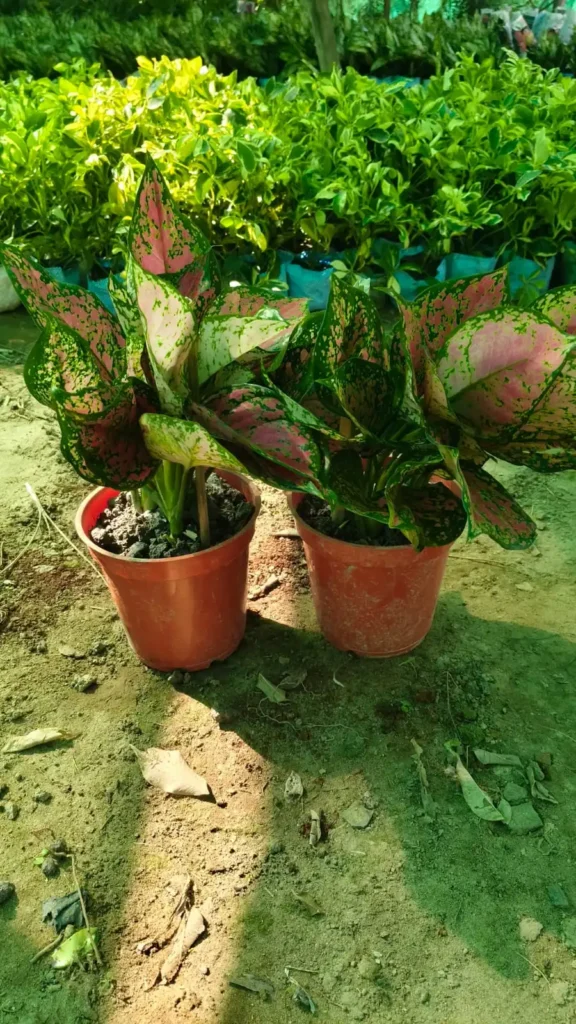
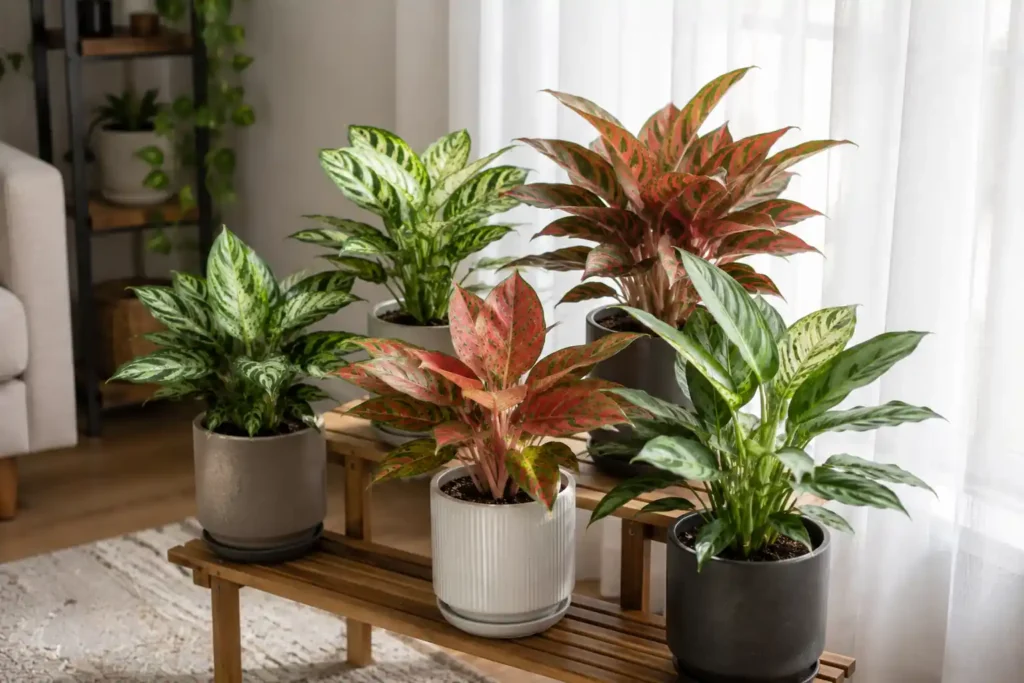
Here is the most useful thing to know about Chinese evergreen light needs: the darker the leaf variety, the lower the light it tolerates. Deep green and silver varieties will grow comfortably in a room with indirect, lower natural light. Bright pink, red, or orange varieties need brighter indirect light to hold their color, since the pigment production that creates those warm tones requires more light energy.
Avoid direct sun for any variety. It bleaches the leaf color and causes brown scorch marks. A spot a few feet back from a bright window, or in a room that gets good indirect daylight, suits most varieties well.
Watering
Water when the top inch or two of soil has dried out, then water thoroughly. Chinese evergreens are fairly tolerant of slight underwatering but react poorly to consistently soggy soil. Root rot from overwatering is the most common way this plant declines, and it often happens slowly enough that the damage is well advanced before leaves show visible symptoms. This need for cautious watering mirrors the root health principles found in monstera deliciosa care.
In winter, reduce watering frequency to match the plant’s slower growth rate. If your home has dry air from heating, check the soil more frequently since pots can dry out faster than expected.
Check the Soil Before Watering
Avoid watering on the same day every week. Temperature, humidity, and seasonal changes all affect how quickly the potting mix dries. Always test the soil with your finger before watering instead of following a fixed schedule.
Soil
A well-draining mix is important. Standard indoor potting mix with a portion of perlite added works well. Heavy soil that stays wet for extended periods after watering is not suitable. For a boost in long-term soil structure, consider incorporating biochar for houseplants into the mix, which helps manage aeration around the delicate roots.
Temperature and Humidity
Chinese evergreens are sensitive to cold. Keep them above 60°F (15°C) at all times and away from cold windows, exterior walls in winter, and air conditioning vents. Cold air damage shows up as yellowing, curling, or browning on the leaf edges.
Average household humidity is fine for most varieties, though a little extra humidity benefits the more colorful types. If you already run a humidifier for other plants in the same room, the Chinese evergreen will benefit from it too. Our guide on choosing the right humidifier for your plants covers what to look for without spending more than necessary.
Signs Your Plant Is Too Cold
Cold stress often appears as yellow leaves, drooping stems, or brown patches near the leaf edges. Move the plant away from cold windows, exterior doors, and air-conditioning vents if you notice these symptoms.
Fertilising
A balanced liquid fertiliser applied monthly during spring and summer is sufficient. Skip fertilising in autumn and winter. Chinese evergreens are not heavy feeders, and over-fertilising leads to salt buildup in the soil that can burn the root tips and cause leaf tip browning.
Chinese evergreens can continue growing without regular fertilizer, but growth may become slower and new leaves may appear smaller. Feeding during the active growing season simply encourages healthier foliage and more vibrant color.
Is It Toxic?
Yes. Chinese evergreen contains calcium oxalate crystals, the same compound found in many aroids, which causes mouth and throat irritation if eaten by cats, dogs, or children. If your household has curious pets, knowing the plants to avoid around cats is important, as ingestion causes severe swelling and distress. It is worth placing it somewhere out of reach or inside a corten steel planter on a high shelf in households with curious pets.
If accidental contact occurs, rinse the mouth with clean water and contact your veterinarian or healthcare provider if irritation persists. Keeping the plant out of reach is the simplest way to prevent problems.
How It Compares to Other Low Light Plants
If you’re comparing low-light houseplants, our guides to evergreen indoor plants and the best indoor plants for beginners highlight several easy-care options. Chinese evergreen stands out for its colorful foliage, offering far more variety than most low-light plants while remaining less demanding than humidity-loving species like Calathea.
For an attractive indoor plant display, pair a dark-leaf Chinese evergreen with a Black Coral snake plant and a trailing pothos. This combination creates year-round texture, contrasting foliage, and requires very little maintenance once established.
If you are buying your first Chinese evergreen, choose a plant with firm stems, vibrant foliage, and no yellow leaves or mushy stems. Healthy plants establish much faster after bringing them home.
Quick FAQ
Why are the leaves on my Chinese evergreen turning yellow?
The most common cause is overwatering or soil that stays wet too long. Less frequently it is a cold temperature issue or low light on a variety that needs more brightness. Check the soil moisture first before adjusting anything else.
Can Chinese evergreen grow in water?
It can survive in water for a while with its roots submerged, though it does better long term in soil. If you want to try water propagation, cuttings root reasonably well in a jar of water placed in bright indirect light.
How big does Chinese evergreen get?
Most indoor varieties reach 1 to 3 feet in height, growing slowly enough that they rarely outgrow a medium sized pot for several years.
How often should I water a Chinese evergreen?
Water when the top 1 to 2 inches of the potting mix feel dry. The exact frequency depends on the season and your home’s temperature.
Can Chinese evergreen grow in low light?
Yes. Most green varieties grow well in low light, while colorful cultivars develop their best foliage in bright, indirect light.
Should I mist a Chinese evergreen?
Misting provides only temporary humidity. If your home is very dry, using a humidifier is a more effective way to increase humidity around the plant.
Why are the tips of my Chinese evergreen leaves turning brown?
Brown leaf tips are commonly caused by dry air, inconsistent watering, mineral buildup from tap water, or excessive fertilizer.
What is the best pot for a Chinese evergreen?
Choose a pot with drainage holes that is only slightly larger than the root ball. This helps prevent excess moisture from collecting around the roots.