
Inside the Blog
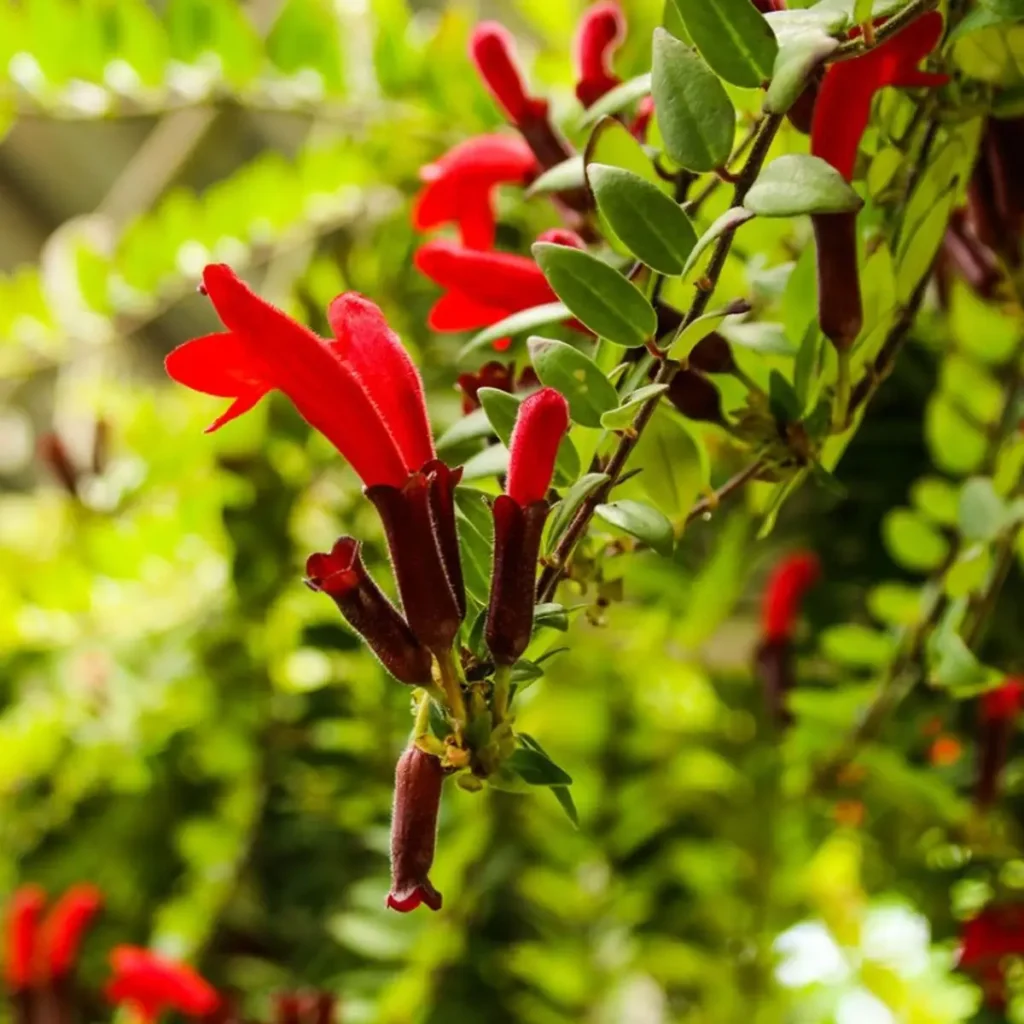
There is a distinct, quiet kind of magic in watching a trailing houseplant burst into brilliant color against a backdrop of deep green foliage. Named for the way its vibrant, tubular buds emerge from dark maroon calyxes looking precisely like tiny tubes of crimson cosmetic lipstick, the lipstick plant (Aeschynanthus radicans) is an absolute showstopper. Native to the humid, shaded rainforests of Southeast Asia, this tropical epiphyte naturally anchors itself onto the trunks and high branches of jungle trees, cascading downward in thick, lush curtains.
Transitioning this exotic beauty into a modern home environment and convincing it to bloom consistently can feel intimidating at first glance. Many plant owners struggle with dropped buds or vines that refuse to flower despite looking healthy. However, once you understand how to recreate its native canopy preferences, encouraging those signature bright red flowers becomes an entirely manageable and deeply rewarding project. This comprehensive guide walks you through every single step required to cultivate a thriving, heavy-blooming lipstick plant right inside your living space.
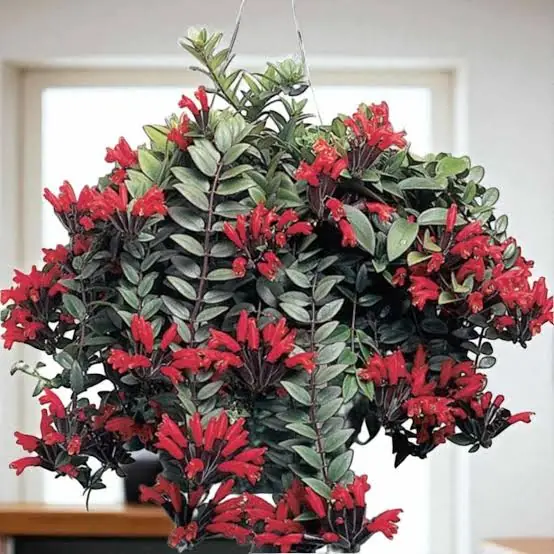
Unveiling the Natural Habitat of the Lipstick Plant
To master the art of indoor plant care, your best strategy is always studying how a species survives in the wild. In its native rainforest understory, the lipstick plant experiences a very specific set of environmental conditions. It receives filtered, bright light dappled through a thick canopy of high tree leaves, shielding it from scorching midday sun.
Furthermore, these epiphytic plants live in loose, organic matter rather than heavy dirt. Their roots are constantly exposed to fresh air while absorbing moisture from frequent tropical rains that drain away instantly. When you bring one home, your primary goal is mirroring these exact dynamics. Providing the right equilibrium of breathable soil, ambient moisture, and gentle light keeps the vines glossy, thick, and eager to push out heavy rounds of seasonal blossoms.
1. Setting Up the Ideal Light Conditions Indoors
Light is easily the most critical variable when it comes to getting your lipstick plant to flower. If your vine is putting out plenty of lush, green growth year after year but completely refuses to bloom, light levels are almost always the underlying culprit.
Finding the Sweet Spot
Position your lipstick plant near an east-facing window where it can soak up gentle morning sun, or place it a few feet back from a bright south- or west-facing window. Sheer window curtains work wonders for diffusing harsh afternoon rays that might otherwise burn the tender green leaves. Morning light provides the exact type of gentle energy the plant needs to trigger bud development.
The Pitfalls of Dim Corners
While lipstick plants can survive in lower-light corners of a room, they will protest by stretching out leggy, sparse stems with wide gaps between the leaves. More importantly, they will withhold their blossoms entirely. If your living space lacks bright natural window exposure, you can easily supplement with grow lights
set on a timer for ten to twelve hours daily to simulate tropical sun cycles.
2. Mastering Watering and Soil Requirements
Healthy roots form the absolute foundation of vibrant top growth. Because lipstick plants are epiphytic, their root systems crave an airy, highly breathable medium rather than dense, compact garden soil.
Crafting the Ultimate Potting Mix
Standard, heavy potting soil packs down tightly around the roots, trapping moisture and suffocating the plant, which quickly leads to root rot. Instead, create or purchase a chunky epiphyte-friendly blend. Combine high-quality indoor potting soil with coarse orchid bark, perlite, and organic potting mix amendments
to maximize aeration and drainage. This ensures extra water rushes out immediately while retaining just enough dampness to keep the roots happy.
Perfecting Your Watering Routine
Water your plant thoroughly until liquid streams freely from the pot’s drainage holes, then allow the top two inches of the soil mix to dry out completely before you water again.
- Seasonal Adjustments: During the spring and summer active growing season, your plant will consume water much faster. In contrast, growth slows down considerably during darker winter months, requiring you to scale back watering frequency to prevent soggy soil.
- Avoiding Drought Stress: Never let the plant stay bone-dry for extended periods, as severe dehydration will shock the system and cause leaves and developing buds to drop prematurely. If you notice lower foliage turning yellow or dropping off, you can troubleshoot root health and moisture imbalances by reviewing tips on yellow leaves.
3. Creating Rainforest Humidity and Warmth
Because these plants hail from tropical equatorial zones, they naturally adore high humidity levels. Average indoor air, particularly during winter months when indoor heating systems run constantly, tends to become bone-dry. This lack of moisture frequently leads to crispy leaf tips and causes developing flower buds to shrivel and drop before they ever get a chance to open.
Boosting Moisture Effectively
Grouping several humidity-loving houseplants together forms a natural microclimate that raises local moisture levels. Alternatively, setting your plant pot on a pebble tray filled with water or running indoor humidifiers
nearby can make a dramatic difference in overall plant health. Try to maintain ambient humidity between 50 and 70 percent if possible.
Maintaining Temperature Stability
Keep your lipstick plant in a room where temperatures remain consistently between 65 and 85 degrees Fahrenheit. Shield the trailing vines from cold window drafts during winter storms and keep them away from sudden blasts coming from heating or air conditioning vents. Rapid temperature fluctuations easily shock the plant and stall out any impending flower production.
4. Feeding for Maximum Blooms and Vibrant Growth
A hungry plant rarely achieves its full blooming potential. Producing flowers takes a massive amount of metabolic energy, making regular, balanced nutrition essential throughout the warm spring and summer months.
The Feeding Schedule
Feed your lipstick plant every two to four weeks starting in early spring and continuing through late summer. Use a balanced, water-soluble houseplant fertilizer diluted down to half strength to prevent any risk of chemical burn.
Choosing the Right Nutrient Balance
Look for a fertilizer formula featuring a slightly higher middle number—representing phosphorus—which actively stimulates robust bud and flower development rather than just driving excessive green leaf growth.
- Winter Rest: Stop fertilizing entirely during autumn and winter when the plant enters its natural resting phase. Continuing to feed during dormancy causes unabsorbed fertilizer salts to accumulate in the soil, which can severely damage sensitive roots.
5. Pruning and Triggering Heavy Flowering Cycles
Lipstick plants generally produce their iconic flowers from late spring through the warmth of summer, with blossoms forming directly at the tips of mature stems. Pruning is not merely a cosmetic task to keep your trailing vines looking neat; it is an absolute necessity for triggering heavier flower cycles.
Pruning After the Bloom
Once an annual blooming cycle winds down, use clean, sharp shears to trim back leggy stems by a few inches. Pruning encourages the plant to branch out aggressively, creating multiple new growth points along the vines. Because lipstick plants set flowers exclusively on new growth, having more stems translates directly to exponentially more blooms next season.
Propagating Your Trimmings
Never throw away healthy stem cuttings! You can easily propagate them in fresh water or moist perlite to cultivate brand-new plants for your collection or to share with fellow gardening enthusiasts. Simply submerge a growth node in water, keep it in bright indirect light, and watch robust roots form within a few weeks before potting them up into their own chunky mix.
Troubleshooting Common Indoor Issues
Even when you follow a rigorous care routine, indoor growing spaces can occasionally present minor hurdles. Keeping a close eye on your plant allows you to spot and correct issues before they escalate.
- Stubborn Lack of Flowers: If your plant looks healthy, green, and lush for over a year with zero blossoms, evaluate its light exposure immediately. Shift it closer to a bright window or introduce artificial lighting. Providing a slight, natural dip in indoor nighttime temperatures and slightly reduced watering during late winter can also signal the plant to set buds for spring.
- Leggy Stems and Sparse Foliage: This is a classic indicator that the plant is craving more light. Trim back the stretched vines and relocate the container to a brighter spot to encourage compact, bushy regrowth.
- Managing Pest Pressures: Keep a watchful eye out for common indoor pests like mealybugs or spider mites, which love hiding in the tight crevices where leaves attach to the stems. Wiping down the foliage every few weeks with a damp cloth keeps dust away and lets you catch any unwanted visitors instantly.
Conclusion
Cultivating a thriving lipstick plant indoors is an immensely rewarding horticultural project that infuses your home with vibrant, tropical color. By matching its natural preferences for bright, indirect light, chunky well-aerated soil, and consistent humidity, you will be rewarded with a gorgeous, cascading canopy of brilliant red blossoms year after year.
1. How many times a year does a lipstick plant bloom?
A lipstick plant typically blooms once a year during a heavy cycle that spans from late spring through mid-summer. Under ideal indoor conditions with plenty of light, some mature plants may push out sporadic secondary blooms later in the season.
2. How do I make my lipstick plant bloom?
The secret to getting blooms is providing plenty of bright, indirect light and letting the top couple of inches of soil dry out between waterings. Regular pruning after a flowering cycle also triggers new stem growth, which is where next year’s buds will form.
3. Are lipstick plants hard to keep alive?
Not at all! While they have a reputation for being fussy about bud drops, they are actually quite resilient if you mimic their native tropical environment by using a chunky, fast-draining potting mix and maintaining steady warmth.
4. Can I root a lipstick plant in water?
Yes, you can easily propagate healthy stem cuttings in water. Just submerge a growth node in a jar of fresh water, place it in bright indirect light, and wait a few weeks for a strong root system to develop before potting it in soil.
5. Why isn’t my lipstick plant flowering?
The most common reason for a non-blooming lipstick plant is a lack of sufficient light. If the plant is tucked into a dim corner of your room, it will grow green vines but refuse to produce buds. Relocate it closer to a bright window.
6. Does baking soda help flowers bloom?
No, baking soda is a common garden myth and does not help houseplants bloom. In fact, adding household chemicals like baking soda can alter soil pH levels, damage sensitive roots, and cause chemical burns.
7. Can I put my lipstick plant outside in the summer?
Yes, you can move your lipstick plant outdoors for the summer as long as you place it in a heavily shaded area protected from direct, scorching afternoon sunlight and heavy winds. Be sure to bring it back indoors before nighttime temperatures drop below 50°F.
8. What are the benefits of having a lipstick plant?
Aside from adding a stunning pop of tropical color with their unique red, tube-like flowers, lipstick plants are entirely non-toxic to cats, dogs, and humans, making them a safe choice for pet owners.
9. Should you cut back a lipstick plant?
Yes, pruning your lipstick plant right after its summer blooming cycle wraps up helps keep the vines compact and bushy. Because flowers form exclusively on new growth, trimming the stems encourages more branching and heavier blooms next season.

