Inside the Blog
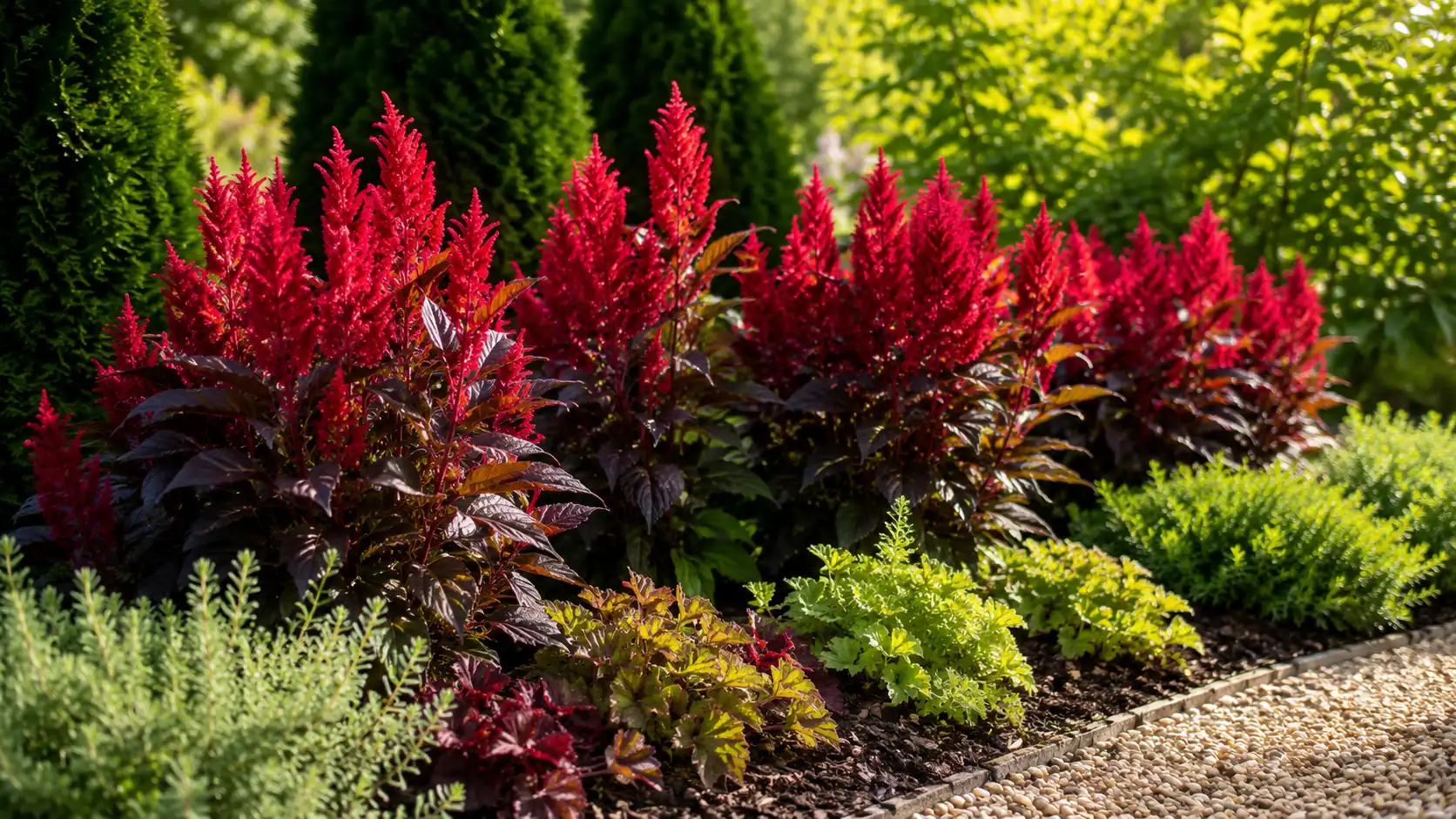
To care for a dragon’s breath plant (Celosia argentea argentea ‘Dragon’s Breath’), position it in a location that receives a minimum of six hours of direct, unfiltered sunlight daily, plant it in sharp, fast-draining soil with a neutral pH, and water deeply only when the top two inches of soil have completely dried out. This striking, high-impact cultivar is celebrated globally for its feathery, incandescent crimson-red flower plumes that sit atop deep, moody bronze-green and maroon foliage. It is grown as an annual in most temperate climates and serves as a favorite for adding bold, architectural color to garden borders and patio containers throughout the hot summer months well into the crisp weeks of early fall. Because the intensity of both its dramatic foliage color and fiery plumes depends entirely on specific environmental triggers, mastering its basic light, soil, and moisture requirements is essential to maximizing its visual performance.
Dragon’s Breath Plant Light and Soil Requirements
The absolute foundation of a thriving dragon’s breath plant lies in providing maximum solar radiation and flawless soil drainage. This is not a plant designed to sit in damp, shadowy corners of the landscape.
The Full Sun Obligation
To trigger the chemical reactions that produce its signature deep-red plumes and dark maroon leaves, this plant requires a location that gets a absolute minimum of six hours of direct, intense sunlight every day. Full, unobstructed all-day sun is even better.
When grown in these high-light environments, the plant maintains a highly compact, sturdy, and bushy habit, naturally supporting its own heavy flower weight. If you plant it in too much shade or an area with filtered light, its biological response is to stretch toward the nearest light source. This results in a weak, leggy, and “floppy” plant that collapses under the weight of its own blossoms. Furthermore, the foliage will lose its rich bronze pigmentation, reverting to a dull, plain green.
Substrate and Drainage Mechanics
While this celosia loves water during its active growing phase, its root system is incredibly sensitive to standing moisture. It requires loose, porous, and well-draining soil with a wealth of organic matter.
- In-Ground Planting: If you have heavy clay soil, you must amend the bed extensively with coarse sand, perlite, and well-rotted compost to break up the dense structure. Planting directly into unamended clay creates a subterranean bathtub effect that suffocates the roots.
- The Soil pH Preference: Aim for a slightly acidic to neutral soil pH ranging between 6.0 and 7.0. This allows the roots to absorb vital micronutrients efficiently without experiencing nutrient lock-out.
How to Water Dragon’s Breath Plant Correctly
Managing moisture for a dragon’s breath plant requires a balanced approach. It is a common misconception that drought-tolerant plants should never be watered, or conversely, that flowering plants need soggy soil to bloom.
The Deep Watering Technique
Once its root system has thoroughly established itself in the ground or container, the dragon’s breath plant exhibits remarkable drought tolerance. However, to keep it throwing up a continuous cycle of large, feathery plumes, it benefits from a consistent watering routine.
- The Method: Always check the soil manually before reaching for the hose. Insert your index finger two inches into the dirt. If it feels dry and powdery, water the plant deeply at the soil level until moisture saturates the entire root ball.
- The Winter/Fall Shift: As autumn arrives and temperatures drop, reduce your watering frequency significantly to match the plant’s slowing metabolic rate.
Preventing Fungal Pathogens
How you apply water to this plant is just as important as how much you provide. Celosias possess dense, compact foliage and intricate, feathery flower structures that easily trap moisture.
- Avoid Overhead Watering: Flooding the plant from above with a sprinkler or watering can wets the leaves and plumes, creating a highly humid microclimate within the interior branches. This encourages the development of fungal leaf spot, powdery mildew, and stem rot.
- Best Practice: Always apply water directly to the base of the plant using a soaker hose, drip irrigation system, or a targeted watering can spout. Water early in the morning so that any accidental splashes on the foliage evaporate rapidly under the afternoon sun.
Heat Tolerance and Summer Performance
Where many traditional flowering annuals (like petunias, lobelia, or pansies) wither, turn yellow, or completely halt blossom production during the oppressive heat of midsummer, the dragon’s breath plant actively thrives.
Native Origins and Biological Prowess
As a derivative of the tropical Celosia argentea, this cultivar is evolutionarily programmed to withstand intense heat index levels. High ambient temperatures actually speed up its metabolism, causing it to push out new growth and vivid flower spikes at an accelerated rate when the rest of the garden is flagging.
This incredible heat tolerance makes it an invaluable asset for urban landscapes, south-facing rock gardens, and exposed suburban yards that bake under intense summer sun. Its crimson plumes retain their bright, luminous coloration without fading or bleaching out under harsh UV rays, ensuring your borders stay saturated with deep color past midsummer when other landscapes look tired and worn.
Growing Dragon’s Breath Plant in Pots
Because of its dramatic, vertical growth habit and striking foliage contrast, the dragon’s breath plant is a premier choice for patio containers, window boxes, and large accent pots.
Pot Dimensions and Drainage Requirements
To grow a healthy specimen in a container, you cannot cut corners on pot size. The root system needs room to stretch to support the 2-foot-tall canopy above.
- Minimum Depth: Select a container that provides an absolute minimum depth and width of 8 to 10 inches per plant. A 12-inch or larger pot is highly recommended if you plan on mixing it with trailing companion plants.
- Drainage Holes: Ensure the pot features large, functional drainage holes at the absolute bottom. Never block these holes with rocks or pottery shards, as this creates a perched water table that rots the bottom roots. Use a high-quality, lightweight potting soil mixed with extra perlite to guarantee fast drainage.
Thermal Considerations with Modern Planters
If you love the sleek, industrial look of weathered, rustic metal containers alongside bold plant color, our comprehensive guide to corten steel planters covers what to know before pairing heat tolerant plants like this one with a metal container.
While corten steel is exceptionally durable and develops a stunning, self-protecting rust patina, metal walls naturally absorb and conduct extra heat when placed in direct full sun. Because the dragon’s breath plant boasts supreme heat tolerance, it handles this warm root environment far better than sensitive species. However, soil inside metal containers dries out at a significantly accelerated rate, meaning you will need to monitor moisture levels closer than you would with plastic or unglazed terracotta pots.
Is Dragon’s Breath Plant Annual or Perennial?
Understanding how a plant responds to your local climate zones is essential when mapping out structural garden beds and financial landscaping budgets.
The Perennial vs. Annual Divide
Botanically, the dragon’s breath plant is classified as a tender tropical perennial. However, it possesses zero frost tolerance. The moment ambient temperatures drop to freezing (32∘F / 0∘C), its cellular walls rupture, causing the entire plant to collapse and die.
- Zones 10–11: In consistently frost-free, sub-tropical, and tropical climates, it can persist in the ground as a short-lived perennial, surviving for a few consecutive years.
- Zones 2–9: In all other regions that experience standard freezing winters, it is grown strictly as a summer annual. It completes its entire life cycle—growing, flowering, and setting seed—in a single season before being cleared out in late autumn.
Long-Term Garden Planning
If you are gardening somewhere colder and want to know which plants in your area can stay in the ground year after year instead of being replanted annually, our guide to the best plants for zone 5 gardens is a useful comparison for planning a bed that mixes both types. By mixing reliable, cold-hardy perennials (like hostas, echinacea, and sedum) with high-intensity tender annuals like the dragon’s breath plant, you create a garden that has reliable year-round structure while enjoying pops of summer color.
Is Dragon’s Breath Plant Deer Resistant?
Modern gardeners often have to balance their aesthetic desires with local wildlife pressures. Fortunately, this celosia excels on both fronts.
Natural Protection Against Browsing Wildlife
If you live in an area with heavy wildlife pressure, finding colorful plants that don’t get eaten overnight can be an ongoing battle. The dragon’s breath plant is generally considered highly deer resistant and rabbit resistant.
- Why Wildlife Avoids It: The unique texture of its stiff, feathery plumes and the high concentration of specific organic compounds within its deep maroon foliage make it highly unpalatable to browsing herbivores. They will almost always bypass it in favor of tastier options like hostas or daylilies.
A Haven for Local Pollinators
While mammalian pests steer clear of this plant, beneficial insects do the exact opposite. Throughout its extended summer and autumn bloom period, the individual tiny florets that make up each large feathery plume produce accessible nectar. This draws in a constant stream of local pollinators, including honeybees, native bumblebees, and various butterfly species, making it an excellent addition to eco-conscious pollinator gardens.
Best Companion Plants for Dragon’s Breath Celosia
Because of its dark foliage and bright red plumes, the dragon’s breath plant works well as a contrast plant next to lighter colored flowers or structured greenery. In professional landscape design, it is frequently used as a “thriller” or a mid-border focal point to break up monotonous stretches of plain green foliage.
- Back of Border: Tall structural shrubs (like Lilacs or Boxwoods) to create a solid, permanent green backdrop.
- Mid-Border: The Dragon’s Breath plant, acting as your vibrant crimson “thriller” and the central focal point of the bed.
- Front of Border: Low trailing foliage or light-colored annuals to spill over the edge and provide a bright contrast against the dark foliage behind them.
Designing the Perfect Landscape Bed
When building out a multi-layered garden bed, you want to group plants that share identical light and moisture needs but offer contrasting architectural forms.
- Complementary Colors: Try pairing the deep crimson plumes of your celosia with bright yellow marigolds, chartreuse sweet potato vines, or white petunias. The light-colored companions will cause the dark bronze foliage of the dragon’s breath plant to pop.
- Adding Permanent Structure: If you are building a bed with a mix of shrubs for structure and annuals for seasonal color, our guide to easy-to-grow woody plants for small gardens covers good options to plant alongside it. Evergreen or woody structure plants provide a permanent frame that keeps your yard looking cohesive even after the winter frost claims your annual celosias.
Bringing the Drama Indoors
If you love the striking, high-contrast look of the dragon’s breath plant but would rather grow something similarly bold indoors, our succulent planting guide covers several striking options for containers on a sunny windowsill. Indoor succulents share the same affinity for full, direct sun and dry roots, allowing you to replicate that bold color palette inside your home.
Quick FAQ
Does Dragon’s Breath come back every year?
In most climates, no. Because it has tropical origins and zero tolerance for frost, it is grown strictly as a summer annual in temperate regions. It must be replanted each spring, except in consistently frost-free tropical areas (USDA Zones 10 and 11) where it can persist as a short-lived perennial.
How tall does Dragon’s Breath grow?
Most varieties reach a mature height of 12 to 24 inches tall with a similar lateral spread, depending heavily on soil quality and light availability. This intermediate size makes it perfect for the middle row of garden borders or as the central focal piece in mid-sized patio containers.
Why is my Dragon’s Breath plant flopping over instead of standing upright?
This classic issue almost always points to too little sun. When denied direct sunlight, the stems grow weak and leggy as they stretch toward the light, eventually collapsing under the weight of the heavy blooms. Move it to a spot with more direct light, or stake the stems if relocating is not an option.
Do I need to deadhead Dragon’s Breath to keep it blooming?
Unlike many annuals that require continuous deadheading to produce new flowers, this celosia variety is relatively self-sufficient. Its plumes maintain their brilliant color for months. However, if an old flower plume eventually turns brown and starts producing black seeds, snipping it off at the base of the stem will clean up the plant’s appearance and encourage side branches to push out fresh, smaller flower spikes.
Is the Dragon’s Breath plant toxic to household pets?
According to the ASPCA, plants in the Celosia family are considered non-toxic to dogs, cats, and horses. While it is always best to keep pets from chewing on your landscape plants to prevent mild stomach upset, you don’t have to worry about dangerous toxicity levels if your pet takes an accidental bite out of a plume.
Can Dragon’s Breath grow in partial shade?
It can survive in partial shade, but the foliage will be greener, the flower plumes less vibrant, and the stems may become leggy. For the best color and compact growth, provide at least six hours of direct sunlight daily.
How often should I fertilize Dragon’s Breath?
Feed with a balanced liquid fertilizer every 3 to 4 weeks during the growing season. Avoid excessive nitrogen, as it encourages leafy growth at the expense of colorful blooms.
Can Dragon’s Breath be grown from seed?
Yes. Sow seeds indoors 6 to 8 weeks before the last frost or directly outdoors after frost danger has passed. Warm temperatures help seeds germinate quickly.