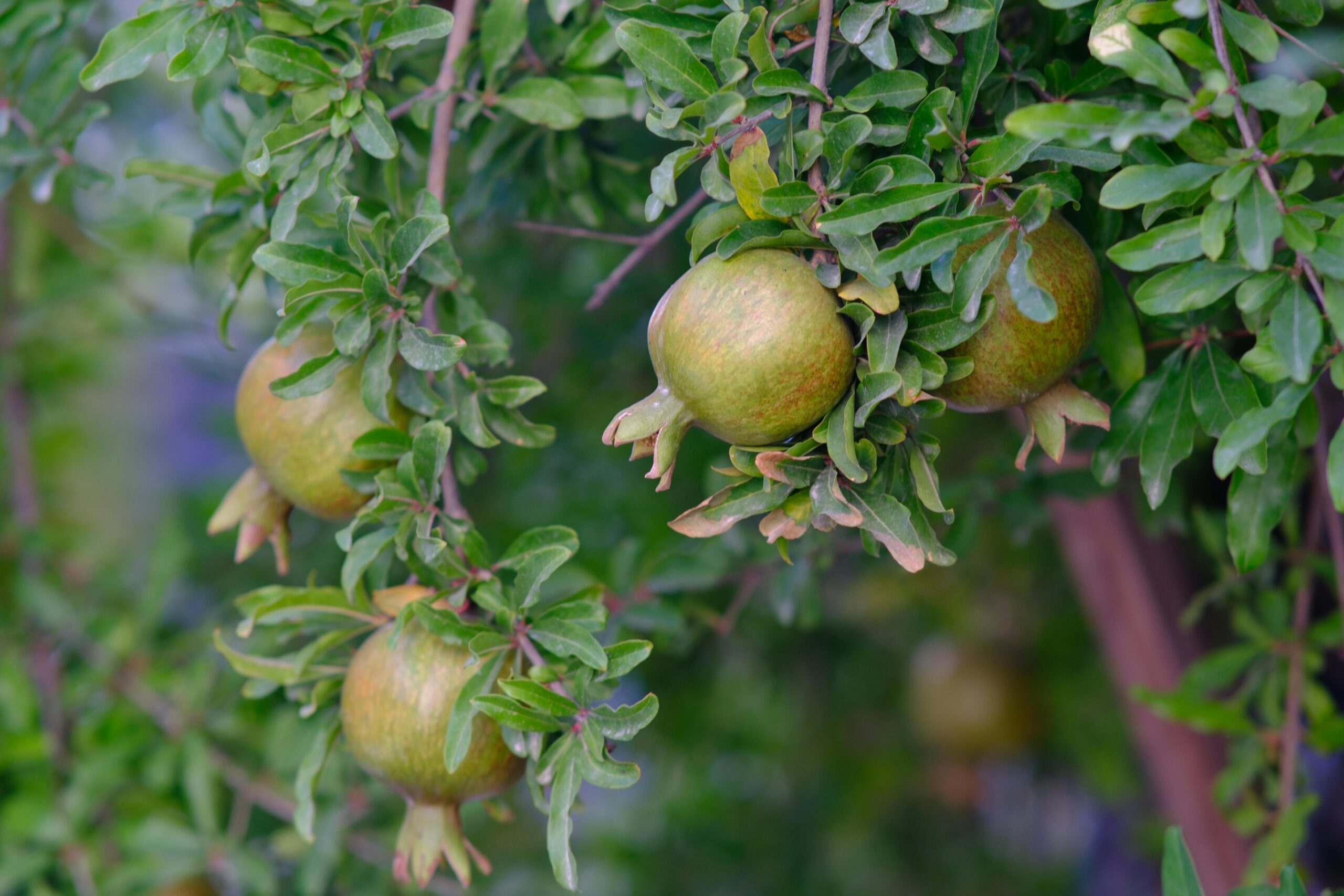
A small garden does not mean you have to give up on trees, shrubs, flowers, or even fruit. The key is choosing woody plants that match the space you have and will not quickly outgrow it.
Woody plants are plants that develop firm, persistent stems or trunks. Trees and shrubs are the most common examples, but compact and dwarf varieties can also work well in small gardens, patios, courtyards, and containers.
When choosing a woody plant for a limited space, mature height and width are just as important as its flowers or foliage. You also need to consider sunlight, watering needs, climate, pruning requirements, and whether the plant is suitable for growing in a container.
In this guide, I’ll cover 10 woody plants that can work well in smaller gardens, along with their typical size, growing conditions, maintenance needs, and the situations where each plant makes the most sense.
What Is a Woody Plant?
A woody plant is a plant that develops firm, hardened stems or branches that persist from one growing season to the next. The stems contain woody tissue that gives the plant support and allows it to continue growing year after year.
Trees and shrubs are the most familiar examples of woody plants. Some vines and other perennial plants can also develop woody stems.
Common Examples of Woody Plants
Some familiar woody plants include:
- Trees: Japanese maple, citrus, oak, and apple
- Shrubs: boxwood, hydrangea, camellia, and lilac
- Compact woody plants: dwarf pomegranate, miniature roses, and dwarf conifers
The main difference between a woody plant and a typical herbaceous plant is the structure of the stem. Herbaceous plants generally have softer stems, while woody plants develop stronger, more persistent stems and branches.
For a small garden, the most useful woody plants are usually compact shrubs, dwarf varieties, and plants that tolerate container growing.
1. Dwarf Pomegranate (Punica granatum Nana)
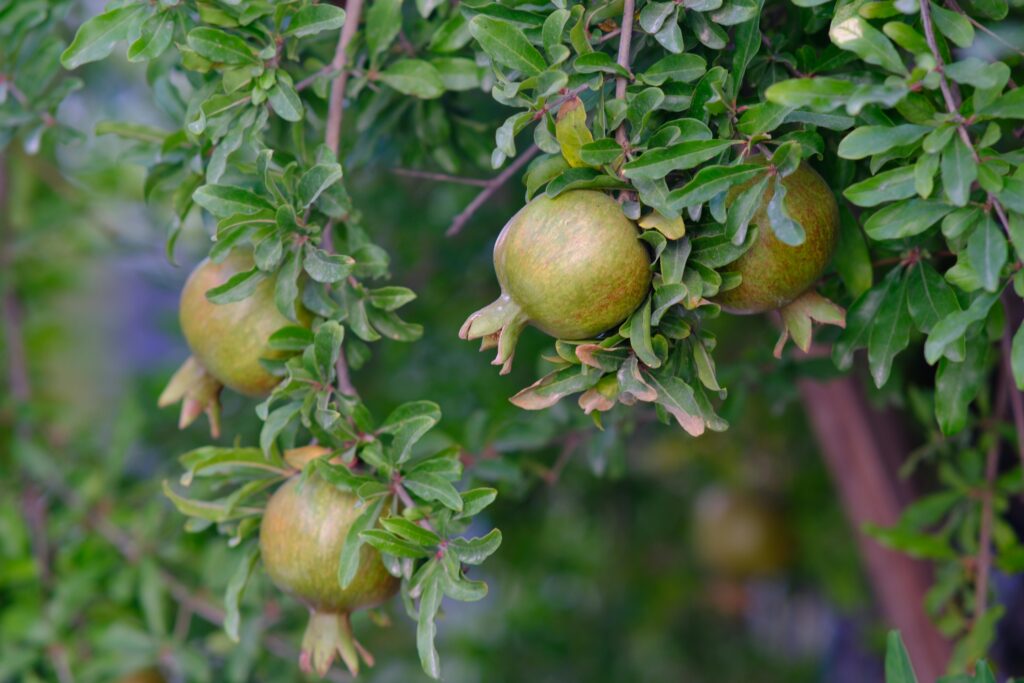
If you want something compact, attractive, and functional, the dwarf pomegranate is a treasure. Unlike the larger fruiting pomegranates, this little relative is more ornamental and stays small; perfect for small gardens or balconies.
Why Dwarf Pomegranate Is a Good Choice
- Small, compact shrub with shiny leaves.
- Produces bright red-orange flowers in summer.
- You’ll even get tiny pomegranate fruits—not for eating but they’re cute.
- Works great as a bonsai plant too.
How Much Space Does It Need?
- Grows 3–4 feet tall.
- Can be round or free form.
Growing Conditions and Care
- Sunlight: It loves the sun. Place it where it gets at least 5–6 hours of direct sun.
- Watering: Keep the soil moist but not waterlogged. Water when topsoil feels dry.
- Soil: Sandy or loamy soil is best.
- Pruning: After the flowering season, prune lightly to maintain shape.
- Fertilizer: Feed with all-purpose fertilizer once a month during the growing season (spring to early fall).
Where It Works Best
- Balcony pots, courtyards and small patios.
- Ornamental hedges in a tiny garden.
- Bonsai enthusiasts who want a woody plant with flowers and fruits.
2. Boxwood (Buxus sempervirens)
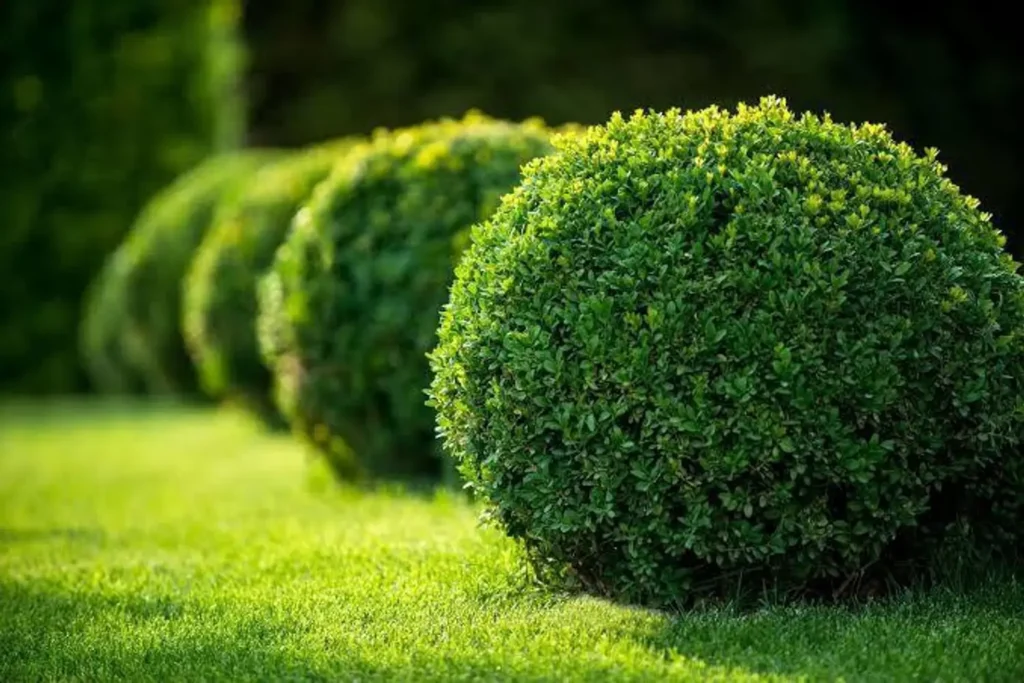
If you want a woody plant that is neat, classy, and easy to shape, boxwood is the Woody Plant to choose. Gardeners love boxwood because it is evergreen and can be trimmed within a variety of styles including simple borders and fancy round balls; you could even shape it into animals if you’re into the fine art of topiary.
Why Boxwood Works in Tight Spaces
- The evergreen shrub has small, shiny green leaves.
- Grows slowly, so it doesn’t get too out of control in a small area.
- Can be clipped into hedges and spheres or left natural.
- Looks nice (elegant) in modern and traditional gardens.
Choosing the Right Size
- Most compact varieties grow around 2–4 feet tall when maintained.
- With trimming, you control its size and shape.
How to Take Care:
- Sunlight: Will grow in full sun to partial shade. This is a great option for your garden if you don’t have all day sun.
- Watering: Deep water once a week. Don’t overwater because roots don’t like soggy soil.
- Soil: Any well-draining soil will work—even if its not very rich, just add compost.
- Pruning: Lightly trim several times a year to maintain shape. Don’t prune too hard at one time.
- Fertilizer: Feed in early spring with a slow-release fertilizer designed for evergreen plants.
Best Uses for Boxwood
- Small garden borders (to define pathways or flower beds).
- Mini hedges around your garden.
- Container gardening—looks stylish in pots at the entrance.
- Topiary lovers who enjoy shaping plants.
3. Japanese Maple (Acer palmatum)
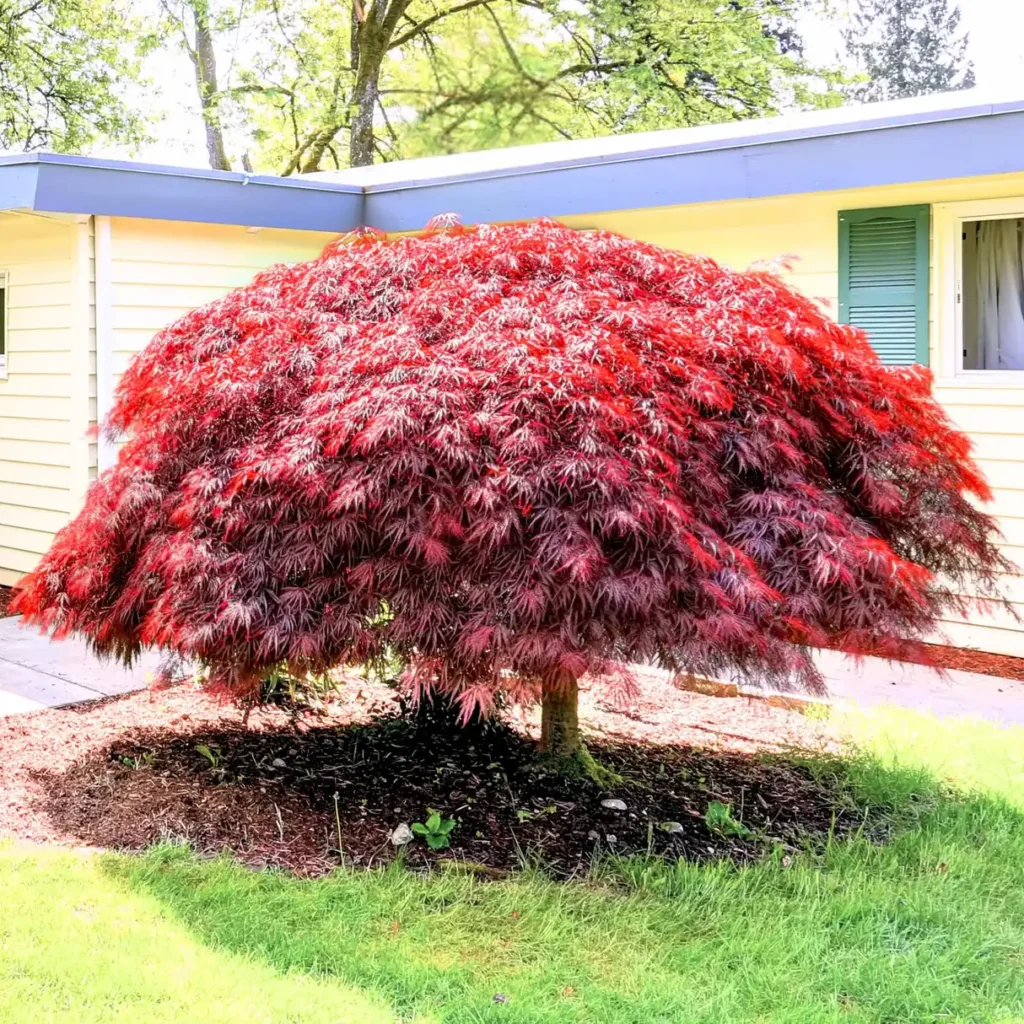
For some seasonal drama in a small garden, Japanese maple may be your answer! The delicate, hand-shaped foliage turns colors in all four seasons—green in spring, from fiery red to orange in the fall, bare but graceful in winter. It’s like living art!
Why Japanese Maple Makes a Good Focal Point
- Famous for its beautiful, finely textured leaves.
- Seasonal color changes makes it a “four-season” plant.
- Beautiful form – has a calming, Zen-like atmosphere in the garden.
- Compact varieties have been specifically bred for small gardens.
Choose the Right Cultivar for a Small Garden
- Dwarf and compact types usually reach 6–10 feet tall, but they grow slowly.
- Some varieties can be kept even smaller in pots.
How to Take Care:
- Sunlight: Prefers shady partially. Morning sun, afternoon shade is optimal. Too much afternoon sun can scorch the leaves.
- Watering: Keep soil damp but not soggy. Japanese Maples hate dryness.
- Soil: Prefers slightly acidic, well-draining soil. If your soil is alkaline, use compost or peat moss.
- pruning: Very little pruning- only trim off dead or crossing branches in winter. Excessive pruning will get rid of the natural beautify of the tree.
- Fertilizer: Use a mild, slow-release fertilizer in the spring. Do not over-feed, a lot of fertilizer will burn the delicate root system.
Best For:
- Small Japanese-style gardens or courtyards.
- Patios or balconies (in large containers).
- Adding a colorful focal point in a small space.
4. Dwarf Citrus Trees (Lemon, Orange, or Lime)
Think about moving outside to your little garden, enjoying the smell of citrus blossoms, or picking a lemon for your tea. That is the magic of dwarf citrus trees. They are miniature versions of normal citrus trees fit to use in containers, patios and balconies.
Why Grow Dwarf Citrus in a Small Space?
- Evergreen woody plants with shiny leaves.
- White flowers in spring and summer.
- Fruits like lemons, limes or oranges depending on the variety.
- Adds a tropical feel to small spaces.
How Large Can Dwarf Citrus Get?
- Will grow to 4–6 feet tall in pots.
- Easy to keep smaller with pruning.
How to Take Care:
- Sunlight: Needs at least 6 hours of direct sun. Put it in the sunniest spot in your garden or balcony.
- Watering: Water regularly but let the top soil dry slightly between waterings. Don’t let roots sit in water.
- Soil: Citrus likes well drained sandy soil. Use potting soil with added compost for container growing.
- Pruning: Trim lightly after fruiting to maintain shape and size. Remove dead or crossing branches.
- Fertilizer: Use citrus specific fertilizer every 2–3 months during the growing season. They need extra nutrients for fruiting.
- Winter Care: In very cold areas, bring potted trees indoors or protect from frost.
Best Citrus for Patios and Balconies
- Balconies and patios where you can smell and eat the fruits.
- Small gardens looking for beauty and function.
- Gardeners who want a low maintenance fruit tree.
5. Hydrangea (Woody Shrub Type)
Hydrangea is one of those plants that makes people stop and look. It grows as a small woody shrub and is well-known for its large round clusters of flowers. What is also fun about hydrangeas is that the color of their flower can change with the soil — sometimes pink, sometimes blue, sometimes a little of both. So in a way, it’s as if the plant is talking back to you with these colors.
Why Hydrangea Is Popular in Small Gardens
- Big globular flowers that blossom in pink, blue, or white.
- Stays green and leafy all the way through the warm months.
- Easy to keep shaped for a manicured look—never grows wild or leggy.
- Ideal for filling a void in the corner of a small garden.
SizChoosing a Compact Hydrangeae
- Most hydrangeas grow about 3–6 feet tall, which is still quite manageable in a small space.
- You can also grow them in pots to keep them more compact.
How to Take Care
- Sunlight: Hydrangeas like morning sun and afternoon shade. Too much hot sun will cause them to droop.
- Watering: They love water, especially during the summer months. Make sure you keep the soil moist, but don’t let it sit in water at the bottom.
- Soil: Soil determines flower color. Acidic soil will yield blue flowers, alkaline will yield pink flowers. If you want to experiment with flower colors, you can add garden lime for pink and aluminum sulfate for blue.
- Pruning: Make a habit of pruning them when they are done flowering. This helps ensure you do not accidentally cut off next year’s buds.
- Fertilizer: A light feed of either compost or balanced fertilizer three times a year, at the beginning of spring will make them happy.
Best Place to Grow Hydrangea
- Shady corners where most other flowering plants won’t grow.
- Small gardens needing a burst of color.
- Container gardens on patios or terraces.
6. Lilac (Syringa – Dwarf Varieties)
Lilac is that plant you instantly adore once you smell it! The flowers bloom in the spring and the air is filled with a sweet, memory-inducing scent. Here’s the good news? You don’t even need a yard to enjoy them—dwarf lilac varieties stay compact, small, and neat, making them perfect for small gardens.
Why Dwarf Lilac Is Worth Growing
- Produces clusters of purple, pink or white flowers in spring.
- The fragrance is the best part—it’s amazing.
- Compact so it fits in small spaces.
- Looks cute even when not in bloom with green leafy branches.
How Much Space Does It Need?
- Dwarf lilacs usually grow 4-5 feet tall.
- Can be kept smaller with pruning.
How to Take Care
- Sunlight: Lilacs love the sun. Need at least 6 hours of direct sun to bloom well.
- Watering: Don’t like wet feet. Water moderately, let soil dry slightly between waterings.
- Soil: Prefer well draining soil, slightly alkaline is best. If your soil is heavy, mix in compost or sand.
- Pruning: Very important—prune right after they finish blooming. If you wait too long you’ll cut off next year’s buds.
- Fertilizer: Not heavy feeders. Just add compost in spring for healthy growth.
Best For
- Small yards where fragrance is as important as looks.
- Patio containers near windows or seating areas so you can smell the scent.
- Gardeners who want a low maintenance flowering shrub that feels classic.
7. Camellia (Woody Evergreen Shrub)
Most plants take a rest in the wintertime, but Camellia likes to play tricks on us when the garden is quiet. This woody shrub is evergreen and can be green all year, then come alive with rose-like flowers in the cooler months of pink, red, or white. In a small garden, it is like having a little bit of color when you need it most.
Why Camellia Is a Great Evergreen Choice
- An evergreen shrub that holds its leaves all year long.
- Flowers from winter to early spring, resembling roses.
- Many colors; pure white to deep red.
- Compact size means it will fit comfortably into small spaces.
Choosing a Compact Variety
- Compact Camellia varieties usually grow about 4–6 feet tall.
- You can also keep them smaller in pots.
How to Take Care
- Sunlight: Camellias prefer bright indirect light. They thrive in partial shade. Too much hot direct light can scorch their leaves.
- Watering: It is best to keep their soil moist but not soggy or completely saturated. Water consistently from the plant flowering period into the fall (avoid letting the plant get dry).
- Soil: Camellias need acidic soil, with a pH below 6 (some sources say below 5.5), If your soil is not naturally acidic you can add composted pine needles or a special soil for acid-loving plants.
- Pruning: Prune a little after a plant flowers to keep their shape. Do not prune before blooming, or you will prune off flowers.
- Fertilizer: In the spring and summer use a fertilizer specially manufactured for acid-loving plants (such as azalea fertilizer).
Best Locations for Camellia
- Shady corners where other flowering shrubs don’t grow.
- Entries or gardens adding winter colour and elegance.
- Gardeners who want a plant with winter colour, minimal maintenance, and off-season flowers.
8. Rose Bushes (Compact Varieties)
Roses are known as the “queen of flowers” for a reason. They offer beauty, fragrance, and elegance to any garden in a timeless manner. The good news is, you don’t need a large rose garden to enjoy them. Miniature and patio rose varieties are ideal for small gardens, apartments with balconies, and even pots!
Why Compact Roses Work in Small Gardens
- Colors to endless; red, yellow, pink, white, orange and even mixed varieties.
- Many are fragrant, which is a bonus.
- There are compact varieties that stay neat without spreading too much.
- You can have flowering from spring to the end of autumn with the right care!
Miniature vs Patio Roses
- Miniature roses stay under 1–2 feet tall.
- Patio and compact shrub roses usually grow about 2–3 feet tall.
How to Take Care
- Sunlight: Roses thrive on full sun. Aim for at least 6 hours of sunlight each day to achieve blooms.
- Watering: Water deeply directly at the base 2–3 times a week. Avoid watering the leaves because it promotes fungal disease.
- Soil: Fertile, well-drained soil is ideal. Incorporate compost into the soil prior to planting.
- Pruning: Prune roses in late winter or early spring, when you see green shoots. Remove dead or weaker branches and shape your rose in an attractive way. Regularly dead-head (cut off old flowers) to promote new blooms.
- Fertilizer: Feed during the growing season every four to six weeks with a chemical or organic rose fertilizer or compost.
Best Places to Grow Compact Roses
- Containers located on balconies, patios, or terraces.
- Borders in small gardens to add color.
- For those wanting classic flowering shrubs and limited space.
9. Dwarf Conifers (Juniper, Cypress, Pine Varieties)
If you desire a plant that looks attractive 12 months of the year and requires little maintenance, dwarf conifers are your answer. Dwarf conifers are small versions of evergreen trees such as juniper, pine or cypress. They are slow-growing, tidy and provide structure to a small garden. They aren’t the “flesh” of your garden. They’re the “bones” – the green framework that holds it all together.
Why Dwarf Conifers Are Useful in Small Gardens
- Evergreen—maintains green needles or foliage year round
- Grows slowly—not going to take over your tiny space.
- Comes in different shapes, round, upright and spreading.
- Low-maintenance and hardy, so it’s great for beginner gardeners.
Check the Mature Size Before Buying
- Most dwarf conifers grow around 2–4 feet tall, depending on the variety.
- Perfect for pots, rock gardens, or as small accents.
How to Take Care
- Sunlight: Prefer full sun; some will tolerate partial shade.
- Watering: Regularly while young. Once established, they need almost no water – great for busy gardeners.
- Soil: Any well-draining soil will do. They do not like “wet feet”.
- Pruning: Very limited. Only remove dead or damaged tips.
- Fertilizer: Not heavy feeders. Slow release fertilizer in spring is all they need.
Best Uses for Dwarf Conifers
- Rock gardens give a texture and greenery.
- Small yards or patios as evergreen additions.
- Container gardening-especially fashionable in a ceramic pot.
- Gardeners who want a green plant all year long, and that asks for almost nothing.
10. Hibiscus (Woody Shrub)
If you want your small garden to be colorful and lively, hibiscus is a great option. This perennial woody shrub is well-known for its large and colorful flowers that seem to resemble trumpets from nature. The blooms can be red, yellow, pink, orange, even multicolored, transforming the garden into a small tropical getaway.
Why Hibiscus Adds So Much Color
- Big, bold flowers that last for most of the year in warmer climates.
- Evergreen shrub meaning it will keep its leaves year after year.
- Attracts butterflies and hummingbirds bringing more life into your garden.
- Great in the garden or in a container.
Choose the Right Hibiscus for Your Climate
- Dwarf hibiscus varieties typically reach heights of about 3-5 feet tall.
- They can be pruned so that they remain compact as well as bushy.
How to Take Care
- Sunlight: Hibiscus loves the sun. Place it where it gets at least 6 hours of direct sunlight a day.
- Watering: Water regularly, especially in summer. Soil should be moist but not waterlogged.
- Soil: Rich, well-draining soil. Mix in compost for better growth.
- Pruning: Prune lightly after flowering to keep the plant bushy and more blooms.
- Fertilizer: Hibiscus is a hungry plant. Feed with a balanced fertilizer every 2-3 weeks during the growing season.
Is Hibiscus Suitable for Your Garden?
- Balconies and patios to add a bit of tropical color.
- Small gardens that need a bold plant to act as a focal point.
- Gardeners who want a low maintenance plant, that doesn’t feel like it.
Quick Comparison: Woody Plants for Small Gardens
| Plant | Approx. Size | Sun | Container Friendly | Best Feature |
|---|---|---|---|---|
| Dwarf Pomegranate | Compact | Full sun | Yes | Flowers and fruit |
| Boxwood | 2–4 ft for many compact forms | Sun to partial shade | Yes | Formal shape |
| Compact Japanese Maple | Varies by cultivar | Partial shade | Yes | Foliage |
| Dwarf Citrus | Varies by variety | Full sun | Yes | Fruit and fragrance |
| Compact Hydrangea | Varies by type | Part sun | Yes | Large flowers |
| Dwarf Lilac | About 4–5 ft for many dwarf forms | Full sun | Some varieties | Fragrance |
| Compact Camellia | Varies by cultivar | Partial shade | Yes | Evergreen foliage |
| Miniature/Patio Rose | About 1–3 ft | Full sun | Yes | Long flowering |
| Dwarf Conifer | Varies widely | Full sun | Yes | Year-round structure |
| Compact Hibiscus | Varies by type | Full sun | Yes | Large colorful flowers |
How to Care for Woody Plants in a Small Garden
Growing woody plants in a small space is mostly about choosing the right plant and keeping its growing conditions consistent.
Give the Plant Enough Room
Before planting, check the mature height and width of the specific variety. A plant that looks small at the nursery can eventually outgrow a narrow garden bed or container.
Match the Plant to Your Sunlight
Observe your garden before choosing a plant. A sunny balcony, shaded courtyard, and south-facing garden will not provide the same growing conditions.
Water According to the Plant
Do not use the same watering schedule for every woody plant. Citrus and hydrangeas generally need different moisture conditions from drought-tolerant conifers or established boxwood.
Prune With a Purpose
Pruning should help maintain the plant’s natural shape, remove damaged growth, or control size when appropriate. The best pruning time depends on the plant and when it produces flowers.
Feed When the Plant Is Actively Growing
Fertilizer needs vary between species. Avoid adding fertilizer simply because the plant looks slow. Check whether the plant actually needs feeding and follow the requirements of the specific variety.
Watch Container Plants More Closely
Plants growing in pots have less soil available for storing water and nutrients. Containers also dry out faster than garden beds, particularly during hot weather.
Conclusion
The best woody plant for a small garden is not necessarily the smallest plant. It is the one whose mature size, sunlight needs, watering requirements, and maintenance fit your available space.
For a sunny garden, options such as dwarf pomegranate, compact roses, or dwarf citrus can provide flowers, foliage, or fruit. If you need year-round structure, boxwood, camellia, or a suitable dwarf conifer may be a better choice. For a shaded area, a compact hydrangea or Japanese maple cultivar may work well when its growing conditions are suitable.
Before buying any woody plant, check the mature size of the specific variety rather than relying only on the word “dwarf” or “compact” on the plant label. With the right choice, even a small garden can have structure, seasonal color, flowers, and plenty of character.
Frequently Asked Questions
Which woody plant is best for balconies?
Dwarf citrus trees and miniature roses are great for balconies. They stay compact in pots, look beautiful, and even give flowers or fruits.
Can I grow woody plants in containers?
Yes, many woody shrubs like boxwood, hydrangea, and dwarf conifers grow well in containers. Just make sure the pots have good drainage and you refresh the soil with compost every year.
How often should I prune woody shrubs in small gardens?
Most shrubs only need light pruning once or twice a year—usually after flowering. Pruning helps keep them neat and encourages new growth.
Are woody plants high-maintenance?
Not at all. Many easy-to-grow woody plants are low-maintenance. They just need the basics: sunlight, water, and occasional fertilizer.
Which woody plant gives the longest flowering season?
Hibiscus and roses bloom for months, especially in warm climates, making them ideal for continuous color in small gardens.