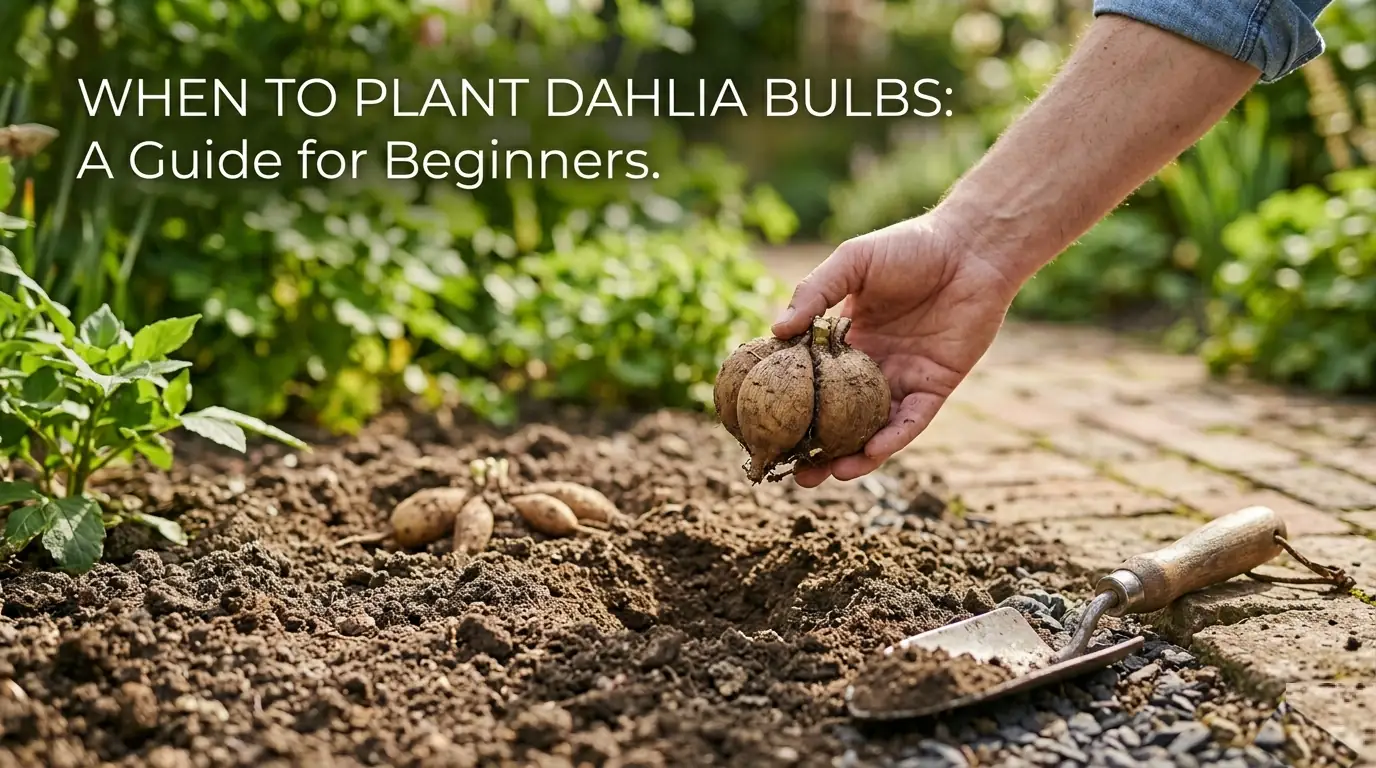
Dahlias are the absolute kings of the late-summer garden, but they are also incredibly unforgiving if you rush them into the ground. Plant the tubers a week or two too early, and cold, soggy spring soil will turn your expensive tubers into mush before they ever have a chance to sprout. Plant them too late, and you miss out on weeks of spectacular blooms.
If you want massive, dinner-plate blooms instead of rotten stems, getting your timing right is everything. Here is how to nail the planting window and avoid the most common beginner mistakes.
When to Plant Dahlias: Wait Until Soil Reaches 60°F (15°C)
The single biggest mistake gardeners make is planting dahlias based on a date on the calendar or right after the very first frost-free day. Dahlias don’t care about the air temperature; they care about the soil temperature.
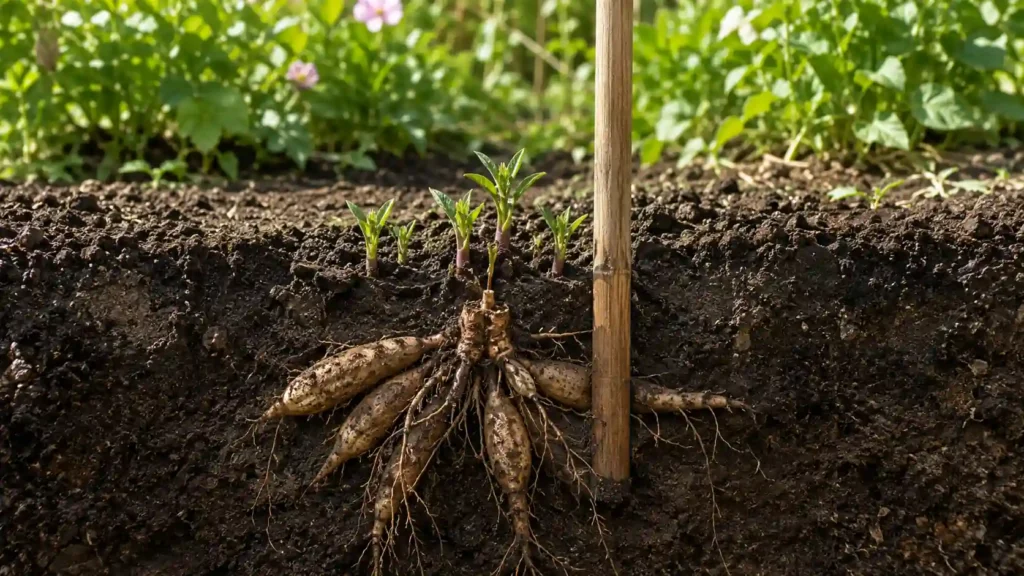
Dahlia tubers need the soil to be at least 60°F (15°C) before they go into the ground.
- The Tomato Rule: A great rule of thumb is to plant your dahlias at the exact same time you buy and plant your starter tomato plants outdoors. If it’s still too cold for tomatoes, it’s too cold for dahlias.
- The Soil Thermometer Test: Don’t guess. Buy a cheap soil thermometer and push it about 4 to 6 inches into your garden bed. Check it in the morning. If it isn’t hitting 60°F consistently, leave the tubers in the garage.
In most regions, this ideal window opens up about two to three weeks after your last expected spring frost.
How to Check if a Dahlia Tuber Is Healthy Before Planting
Before tossing your tubers into the dirt, take a close look at them. Beginners often waste weeks waiting for a dead tuber to sprout.
| Tuber Condition | What It Means | Action To Take |
| Firm and plump (like a potato) | Healthy and viable | Ready to plant. |
| Slightly wrinkled/soft | Dehydrated but alive | Mist it lightly with water; it will fine in the ground. |
| Mushy, hollow, or smelling sour | Rotten | Throw it away; it will never grow. |
| Has a visible “eye” (pink bump near the neck) | Already waking up | Plant immediately (eye facing up). |
How to find the “eye”: The eye looks exactly like the little bump on a potato before it sprouts. It is always located on the “neck” of the tuber, right where it connects to the main old stem from last year. If a tuber breaks off without a piece of the neck/eye, it will never grow a plant—even if the rest of the tuber looks perfectly healthy.
How Deep to Plant Dahlia Tubers and When to Water Them
When the soil is ready, dig a hole about 6 inches deep. Lay the tuber horizontally in the hole (flat on its side) with the eye pointing upward. If you can’t tell where the eye is, just lay it flat; the plant will figure out which way is up.
Now, here is the hardest rule for most gardeners to follow: Do not water them after planting.
Unless your soil is bone-dry desert sand, there is already enough residual moisture in the ground to wake the tuber up. Because the tuber doesn’t have roots yet, it cannot absorb water. If you soak the soil, the tuber will simply sit in mud and rot. Walk away and do not water until you see the first green shoots breaking through the soil surface.
Proper Dahlia Spacing and Staking Tips
- Small Bedding Dahlias: Space them about 12 inches apart.
- Dinner-plate & Tall Varieties: Space them 24 inches apart. They need massive airflow to prevent powdery mildew from ruining their lower leaves later in the summer.
- Drive the stake early: If you are growing tall varieties, drive your wooden or metal stake into the ground right next to the tuber at planting time. If you wait until the plant is 3 feet tall to add a stake, you will likely drive it straight through the underground tuber, killing the plant.
How to Start Dahlia Tubers Indoors in Cold Climates
If you live in a northern climate with short growing seasons, waiting until late May or June for the soil to hit 60°F means you won’t get blooms until late September. You can easily cheat the system by starting your tubers indoors 4 to 6 weeks before your last frost date.
- Pack them into small pots filled with damp, loose, well-draining potting mix.
- Keep them in a warm room (like on top of a refrigerator or near a heating vent) to wake them up.
- Once they sprout, move them to a bright window or under a grow light.
- When the outdoor soil finally warms up, carefully transplant the entire root ball into the garden.
Growing Dahlias in Cold Climates and Winter Planning
If you’re planting dahlias in a mixed flower bed, leave enough space around them so the tubers can be lifted easily in autumn without disturbing nearby plants. Hardy perennials are a practical choice because they remain in the ground year after year while the dahlias are stored for winter. In colder regions, many gardeners combine dahlias with Zone 5 perennial flowers that provide reliable spring and early summer color before the dahlias reach their peak. Adding a few low-maintenance woody shrubs nearby can also give the border year-round structure, even when the dahlia bed is empty during winter.
Common Mistakes When Planting Dahlias
Many dahlia planting problems happen before the plants even begin growing. Avoid these common mistakes to give your tubers the best chance of producing healthy plants and abundant flowers.
- Planting too early: Wait until the soil reaches at least 60°F (15°C). Cold, wet soil can cause tubers to rot before they sprout.
- Watering immediately after planting: Newly planted tubers have no roots to absorb water. Wait until green shoots emerge before watering unless the soil is extremely dry.
- Planting in poorly drained soil: Dahlias dislike waterlogged conditions. Improve heavy soil with compost before planting.
- Skipping staking: Install stakes at planting time to avoid damaging the tubers later.
- Growing in too much shade: Choose a location that receives at least 6 to 8 hours of direct sunlight each day for the best flowering.
FAQ
Are dahlia bulbs and dahlia tubers the same thing?
Not technically, though everyone uses the terms interchangeably. True bulbs (like tulips and onions) are made of layered scales. Dahlias grow from tuberous roots (like sweet potatoes). The main difference? Tubers are much more susceptible to rotting if the soil is cold and wet.
Can I plant dahlia tubers in containers?
Absolutely. Just make sure the container is at least 12 inches deep and 12 inches wide for a single plant, and ensure it has excellent drainage holes. Keep in mind that potted dahlias will dry out much faster than those in the ground, so you will need to water them frequently once they start growing.
Why didn’t my dahlia tuber sprout?
If it’s been 3 to 4 weeks and nothing has come up, dig it up gently and check on it. If it is mushy, it rotted because the soil was too cold or too wet. If it looks exactly the same as the day you planted it, the soil is likely still too cold—bury it back down and be patient; some tubers take up to a month to wake up!
Can you soak dahlia tubers before planting?
Healthy dahlia tubers usually do not need soaking before planting. Once the soil has warmed to at least 60°F (15°C), plant them directly into well-drained soil. If a tuber appears slightly dehydrated, lightly misting it or giving it a short soak according to the supplier’s instructions may help, but prolonged soaking can increase the risk of rot.