Inside the Blog
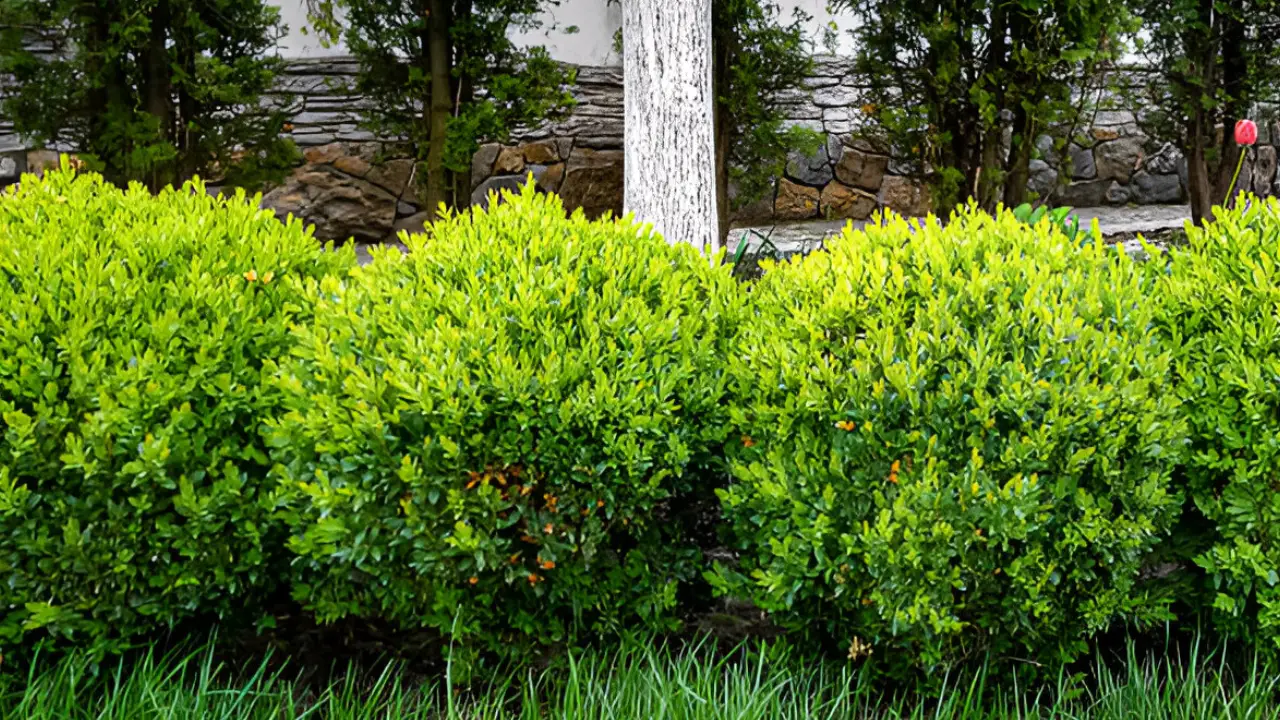
Green Velvet Boxwood (Buxus ‘Green Velvet’) is a compact, rounded evergreen shrub commonly used for hedges, borders, foundation plantings, and formal garden designs. It has dense green foliage and responds well to pruning, which makes it useful when you want a neat, defined shape.
For healthy growth, plant Green Velvet Boxwood in well-drained soil and a location with sun to partial shade. Newly planted shrubs need consistent watering while they establish, while mature plants generally need less frequent irrigation. Good airflow, suitable spacing, and protection from harsh winter conditions can also help prevent common boxwood problems.
This guide covers how to plant Green Velvet Boxwood, how far apart to space it for a hedge, how quickly it grows, pruning, watering, soil, winter care, common problems, and landscaping uses.
What Is Green Velvet Boxwood?
Green Velvet Boxwood is a broadleaf evergreen shrub known for its rounded shape, dense foliage, and ability to tolerate regular pruning. It is a hybrid boxwood developed from Korean and common boxwood parentage and is commonly used as a hedge, border, foundation plant, or accent shrub.
Its mature size can vary depending on growing conditions and how the plant is maintained. Many references describe Green Velvet as roughly 2 to 4 feet tall and wide, with a rounded or mounded habit. It is generally a slow-growing shrub, so it is better suited to gardeners who want a long-term, easy-to-shape landscape plant rather than fast privacy.
Green Velvet Boxwood at a Glance
- Plant type: Broadleaf evergreen shrub
- Growth habit: Rounded and dense
- Growth rate: Slow
- Typical mature size: About 2 to 4 feet tall and wide, depending on conditions and pruning
- Uses: Hedges, borders, foundation planting, containers, and formal landscapes
- Soil: Well-drained soil
- Light: Full sun to partial shade
- Hardiness: Commonly listed around USDA Zones 4 to 8, depending on the source and local conditions
Green Velvet Boxwood Size and Growth Rate
Green Velvet Boxwood is a relatively compact boxwood, but its final size depends on growing conditions, climate, age, and pruning. Many references place mature plants in the range of about 2 to 4 feet tall and wide, while older, unpruned plants can become larger.
The plant grows slowly compared with many landscape shrubs. Virginia Cooperative Extension describes Green Velvet as growing about 3 inches per year under suitable conditions.
This slow growth is useful when you want a hedge or border that does not require frequent cutting, but it also means a newly planted hedge will take time to reach its full size.
How Fast Does Green Velvet Boxwood Grow?
Expect relatively slow growth rather than rapid expansion. Growth can vary with sunlight, moisture, soil conditions, plant age, and pruning.
If you are planting Green Velvet Boxwood for a hedge, plan the spacing around the plant’s expected mature width instead of placing young shrubs close together simply because they look small at the nursery.
Green Velvet Boxwood vs. Other Boxwood Varieties
If you’re wondering how Green Velvet compares, here’s a quick look:
- American Boxwood: Grows much taller (up to 20 feet) and works for large estates. Maintenance is higher.
- Wintergreen Boxwood: Affordable and hardy but often bronzes in cold weather.
- Korean Boxwood: Extremely hardy but grows slowly and has a looser form.
- Green Velvet Boxwood: Compact, lush, and color-stable. A reliable choice for small gardens and urban settings.
This makes Green Velvet the go-to option for gardeners who want year-round structure without the hassle.
How to Plant Green Velvet Boxwood
Can Green Velvet Boxwood Grow in Shade?
Green Velvet Boxwood can tolerate partial shade, but dense growth depends on receiving enough light. Plants grown in heavy shade may become less dense and develop a more open appearance.
Morning sun with some protection from intense afternoon or winter sun can be useful in areas where boxwood commonly suffers from winter bronzing or leaf scorch. Strong winter winds can also cause moisture loss and foliage damage.
If the planting area is heavily shaded throughout the day, choose a location with more filtered or partial sunlight instead of expecting the shrub to maintain the same dense form it would have in better light.
Preparing the Soil
Green Velvet Boxwood grows best in soil that drains well and does not remain saturated after rain or watering. Boxwoods can grow in different soil textures, but poorly drained locations can create problems with the roots.
If your garden has heavy clay, improve the planting area with organic matter and address drainage problems before planting. Avoid placing the shrub in a low spot where water remains for long periods.
For more help with heavy clay soil, see our guide on how to improve clay soil before you plant anything.
Step-by-Step Planting
- Choose a location with good drainage and suitable sunlight.
- Dig a planting hole about twice as wide as the root ball and no deeper than the root ball’s height.
- Set the shrub so the top of the root ball sits level with, or slightly above, the surrounding soil.
- Backfill with the soil removed from the planting hole, breaking up large clumps as you go.
- Water thoroughly after planting to settle the soil around the roots.
- Add a layer of mulch around the root zone, keeping it away from the stems.
Avoid planting boxwood in areas where water regularly collects. Boxwood has shallow roots, and consistently wet soil can contribute to root problems.
How Far Apart Should You Plant Green Velvet Boxwood?
For a hedge, spacing depends on how quickly you want the plants to form a continuous row and how much room you want each shrub to have at maturity.
For a more open planting, leave roughly 3 to 4 feet between plants. Closer spacing can create a denser hedge sooner, but plants should still have enough room for airflow and mature growth.
Do not judge spacing only by the size of the plants when you buy them. Green Velvet Boxwood grows slowly, so consider the mature width and the final appearance you want from the hedge.
For a single border or foundation planting, give each shrub enough space to develop its rounded form without immediately touching neighboring plants.
Caring for Green Velvet Boxwood

Watering
For the first year, water deeply once a week. Mature plants are more drought-tolerant but benefit from occasional watering in hot summers. Check soil moisture by sticking your finger 2 inches into the soil—if it feels dry, it’s time to water.
Fertilizing
Green Velvet Boxwood does not need heavy feeding. Start by checking whether the plant is growing normally and whether the soil has adequate organic matter.
If fertilizer is needed, follow the product label and apply it during the active growing season. Avoid applying excessive nitrogen because this can encourage soft, unnecessary growth.
A layer of organic mulch around the root zone can help maintain more consistent soil moisture and temperature. Keep mulch away from direct contact with the stems.
Pruning
Green Velvet Boxwood responds well to pruning and can be maintained as a rounded shrub, low hedge, border, or formal shape.
For routine shaping, use clean, sharp shears and remove small amounts of new growth at a time. Avoid cutting deeply into old, bare wood because boxwood can be slow to produce new growth from older interior stems.
In colder areas, avoid pruning immediately before the first hard frost. Pruning can encourage tender new growth that may be damaged by freezing temperatures.
For mature plants, thinning some interior growth can also improve airflow through the shrub.
Winter Protection
In northern states, wrap shrubs in burlap to shield from drying winter winds. Mulch the base to prevent soil freeze-thaw cycles that can damage roots.
Green Velvet Boxwood Seasonal Care
Spring
Check the plant for winter damage and remove dead or damaged growth. This is also a suitable time for routine shaping after the risk of hard frost has passed.
Summer
Check soil moisture during extended hot or dry periods. Newly planted shrubs need more consistent watering than established plants.
Fall
Reduce unnecessary pruning as freezing weather approaches. Check the mulch layer and make sure the root zone remains protected without piling mulch against the stems.
Winter
Protect Green Velvet Boxwood from strong winter winds and intense winter sun where those conditions cause foliage browning or moisture loss. In areas with heavy snowfall, gently remove excessive snow from the branches.
Common Green Velvet Boxwood Problems
Green Velvet Boxwood is generally a low-maintenance shrub, but poor growing conditions can contribute to several problems.
Winter Bronzing and Leaf Burn
Cold winds, strong winter sun, and dry conditions can cause foliage to bronze or brown. A protected planting location can reduce winter stress.
Root Problems
Poor drainage and consistently wet soil can contribute to root problems. Avoid planting boxwood where water collects after rain.
Boxwood Blight and Leaf Spot
Boxwoods can be affected by fungal diseases that cause spotting, browning, and dieback. Good airflow, proper watering practices, and careful sanitation around pruning can help reduce disease pressure.
Insect Pests
Boxwood leafminer, mites, and other pests can affect boxwoods. Inspect new growth and foliage regularly so problems can be identified early. The appropriate treatment depends on the pest and severity of the infestation.
Green Velvet Boxwood Landscaping Ideas
Green Velvet Boxwood works well when you want a defined evergreen shape without using a large shrub.
Foundation Planting
Plant individual shrubs near entryways, corners, or along the front of a home. Leave enough space around each plant for its mature width instead of creating a row of tightly packed shrubs.
Low Hedge or Border
A row of Green Velvet Boxwood can define a walkway, flower bed, or lawn edge. Consistent spacing and regular light pruning help maintain an even appearance.
Front-of-House Landscaping
The rounded form works well around entrances and along foundation beds. Combine boxwood with flowering perennials or other shrubs to add seasonal variation while keeping evergreen structure through winter.
Containers
Green Velvet Boxwood can also be grown in a suitably sized container with drainage holes. Container plants dry out faster than shrubs planted in the ground, so check the potting mix regularly.
Container Gardening with Green Velvet Boxwood
If space is limited, this shrub adapts beautifully to container life. Use a large pot with drainage holes and a quality potting mix. Container-grown boxwoods dry out faster, so check soil moisture often. Fertilize lightly each spring. In colder climates, insulate pots or move them to sheltered spots during winter.
Buying Guide: Choosing the Right Green Velvet Boxwood
When purchasing, keep these tips in mind:
- Size Options: Available in 1-gallon to 5-gallon containers. Smaller ones are budget-friendly but take longer to establish.
- Price Range: $25–$60 depending on size and source. Larger shrubs cost more but give instant impact.
- What to Look For: Healthy green leaves, no yellowing, firm root system, pest-free foliage.
- Where to Buy: Local nurseries, big-box garden centers, or online plant shops. Buying locally ensures plants are climate-adapted.
- Pro Tip: For hedges, buy all shrubs at the same time to maintain uniform size.
Conclusion
Green Velvet Boxwood is a useful choice for gardeners who want a compact evergreen shrub for hedges, borders, foundation beds, or formal landscaping. Its rounded growth habit, dense foliage, and tolerance for pruning make it easy to maintain when it is planted in the right location.
The main points to remember are good drainage, suitable sunlight, consistent watering during establishment, sensible hedge spacing, and protection from harsh winter conditions. Because Green Velvet grows slowly, give the shrubs enough room to reach their mature size instead of planting them too closely together.
With the right site and routine care, Green Velvet Boxwood can provide evergreen structure in the landscape for many years.
FAQs About Green Velvet Boxwood
How far apart should I plant Green Velvet Boxwood for a hedge?
For a dense hedge, space Green Velvet Boxwood shrubs about 2 to 3 feet apart. If you want a looser, more natural look, you can leave up to 4 feet between plants. Always think about the mature size (3–4 feet wide) when spacing.
Does Green Velvet Boxwood turn brown in winter, and how can I prevent that?
Green Velvet usually keeps its color in winter, but cold winds and strong sun can cause leaf burn. To prevent this, wrap shrubs in burlap or apply an anti-desiccant spray in late fall. Mulching the base also helps protect roots from freeze-thaw cycles.
Can I grow Green Velvet Boxwood in containers on my patio or balcony?
Yes! Green Velvet does very well in large containers. Choose a pot with good drainage, use a high-quality potting mix, and water more frequently since pots dry out faster than garden soil. In cold states, insulate the pot or move it to a sheltered spot for winter.
Is Green Velvet Boxwood resistant to deer and rabbits?
Green Velvet Boxwood is generally considered resistant to deer and rabbits, although no plant should be treated as completely browse-proof. Hungry wildlife may still feed on boxwood when other food sources are limited.
What is the best time of year to plant Green Velvet Boxwood in colder climates?
The best planting times are spring (after the ground thaws) or early fall (so roots can establish before winter). Avoid planting too late in fall, as young shrubs may struggle to adjust before freezing weather.
How do I prune Green Velvet Boxwood without damaging its shape?
Always prune lightly. Use sharp, clean shears and trim only the outer growth to maintain the natural round shape. The best time to prune is late spring through mid-summer. Avoid cutting too deeply into old wood, as boxwoods don’t recover well from heavy cuts.
Why are the inner leaves of my Green Velvet Boxwood yellowing or dropping?
It’s normal for older inner leaves to yellow and drop in fall as part of the shrub’s natural cycle. If you see excessive yellowing, it may signal poor drainage, root stress, or disease. Check the soil moisture and make sure the plant isn’t sitting in waterlogged soil.
Can Green Velvet Boxwood survive in shade or low light?
It can tolerate some shade but performs best with 4–6 hours of sunlight daily. Too much shade will make the shrub less dense and more open. If your garden is shady, plant it where it still gets morning or filtered light.
Does the soil type (clay, sandy, alkaline) affect how well Green Velvet Boxwood grows?
Yes. Green Velvet prefers well-drained, loamy soil with a neutral pH. Heavy clay soil can lead to root rot unless amended with compost and sand. Sandy soils dry out quickly, so more frequent watering and organic matter help.
How do I protect Green Velvet Boxwood from pests or fungal diseases?
Keep shrubs healthy with good airflow, avoid overhead watering, and prune only when foliage is dry. For pests like leafminers or spider mites, use horticultural oil or neem oil early in the season. For fungal issues like boxwood blight, remove infected leaves and disinfect tools after pruning.