Inside the Blog
Cat palms have a way of looking absolutely perfect in the garden center and then humbling you within three weeks of bringing one home. That corner of the living room that seemed bright enough turns out to be nowhere near what the plant actually needs, and before long every frond tip has gone brown and crispy in a way that feels sudden and confusing.
It happens to a lot of people. The plant looked thriving under the store’s fluorescent lights, came home full and green, and then slowly started declining in a spot that seemed reasonable. A month of troubleshooting later, the real culprit turns out to be dry indoor air combined with insufficient light rather than anything done wrong after the purchase.
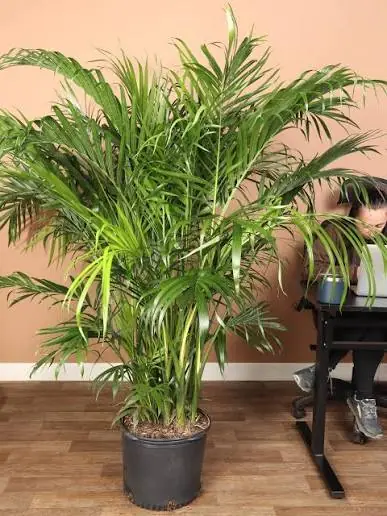
Cat palms are not difficult to keep alive. But they are specific about a few things, and when those things are off, they show it immediately through brown tips and dropping fronds. Once the actual cause is identified, the fix is usually simpler than expected.
What Is a Cat Palm and Why It Behaves the Way It Does Indoors
Cat palm, known botanically as Chamaedorea cataractarum, is a clustering palm native to southern Mexico and parts of Central America. In the wild it grows along stream banks and in humid, shaded forest understory, which tells you almost everything you need to know about what it wants indoors. It is used to filtered light, consistent moisture in the air, and soil that never fully dries out.
Unlike the majesty palm or areca palm, cat palm stays relatively compact. Most indoor plants reach between three and six feet tall over several years, making it a manageable size for living rooms, bedrooms, and bright hallways. The fronds are dense, arching, and a deep rich green when the plant is healthy, which is exactly why it is so popular as an indoor statement plant in the United States.
It is also completely non-toxic to cats and dogs, which comes up constantly in searches and is genuinely one of the reasons a lot of pet owners specifically seek it out. You can confirm this through the ASPCA’s plant toxicity database, and it is one area where cat palm has a clear advantage over many other popular indoor palms.
Light: The Starting Point for Everything
Most cat palm problems start with light, so this is worth getting right before anything else. Cat palms want bright, indirect light for most of the day. An east-facing window is close to ideal because it delivers gentle morning sun without the intense afternoon heat of a south or west exposure. A few feet back from a south-facing window works too, as long as direct sun is not hitting the fronds for extended periods.
What catches people off guard is how badly cat palms respond to genuinely low light conditions. They will survive, technically, but the fronds lose their deep color, new growth slows to almost nothing, and the plant becomes noticeably more susceptible to the brown tip problem. The corner that looks perfectly fine to human eyes is often the corner where the cat palm slowly deteriorates.
If your home does not offer a naturally bright spot, a full-spectrum grow light positioned above the plant for 12 to 14 hours a day makes a real difference. I added one above mine after the failed corner experiment and the improvement in the color of new fronds was obvious within about six weeks.
Direct harsh sunlight scorches cat palm fronds fast. If you see pale, bleached patches rather than brown tips, the plant is getting too much direct sun rather than too little.
Watering a Cat Palm Without Causing Root Rot
Cat palms want consistently moist soil, not wet soil. That distinction matters more with this plant than with most. Because it comes from a streamside habitat it does not want to dry out completely between waterings, but it is still vulnerable to root rot if the roots are sitting in soggy, waterlogged conditions for extended periods.
The approach that works is to check the top inch of soil regularly. When that top layer feels dry, water thoroughly until it drains from the bottom of the pot, then let the excess drain away completely. The soil below the surface should stay lightly moist but never saturated.
During the growing season from spring through early fall, this usually means watering every five to seven days depending on the temperature and light levels in your home. In winter, slow it down. The plant is not actively growing and needs considerably less water. Stretching to every ten to twelve days is usually appropriate.
One thing that genuinely changed how my cat palm looked was switching from tap water to filtered water. Cat palms are sensitive to the fluoride and chlorine in treated tap water, and those chemicals accumulate in the soil over time and show up as brown leaf tips that look exactly like a humidity problem. If you have been doing everything else right and still seeing brown tips, water quality is worth investigating. Letting tap water sit out overnight before using it helps a little, but filtered water or collected rainwater makes a more noticeable difference.
Brown Tips: The Most Common Cat Palm Problem and What Actually Causes Them
Brown tips on cat palm fronds are the number one complaint from indoor growers, and they almost always come down to one of three things: low humidity, fluoride sensitivity from tap water, or inconsistent watering. In most US homes, low humidity is the primary culprit, especially during winter when forced air heating strips moisture from indoor air aggressively.
Cat palms prefer humidity levels between 50 and 60 percent. The average American home in winter sits somewhere between 20 and 30 percent. That gap is significant and no amount of careful watering will compensate for it. The brown tips appear at the frond ends first because that is the furthest point from the roots and the first place the plant struggles to deliver adequate moisture when the air is too dry.
A humidifier positioned near the plant is the most effective solution. Running it for several hours each day, particularly during winter, keeps the immediate environment humid enough for the plant to stay comfortable. Grouping your cat palm with other tropical plants creates a small zone of elevated humidity through transpiration, which helps but is not as reliable as a dedicated humidifier.
Misting the fronds gives temporary relief but evaporates too quickly to make a lasting difference. It is not harmful, but it is not a real fix for chronic brown tips caused by dry air.
Once a frond tip turns brown it will not green up again. You can trim the brown portion carefully with clean scissors, cutting at an angle to make the trim look natural, but the underlying cause needs to be addressed or the browning will continue to spread.
Frond Drop: Why It Happens and When to Worry
Losing the occasional lower frond is completely normal for cat palm. As the plant produces new growth from the center, older outer fronds naturally yellow and drop. This is not a problem and does not need any intervention beyond removing the yellowed frond cleanly at the base.
What is worth paying attention to is frond drop that happens rapidly or affects fronds that were previously green and healthy. This pattern almost always points to one of three issues: overwatering and root rot, a sudden change in environment, or cold stress.
Root rot is the most serious of these. If you are losing multiple fronds quickly, pull the plant from its pot and check the roots. Healthy roots are white or light tan and firm. Roots affected by rot are brown, mushy, and may have an unpleasant smell. If you catch it early, trimming away the affected roots, letting them dry briefly, and repotting into fresh dry mix can save the plant. If the rot is advanced, recovery becomes unlikely.
Environmental stress often causes frond drop in the days or weeks after bringing a cat palm home from a store or nursery. The light levels, temperature, and humidity in your home are almost certainly different from where the plant was growing before, and this adjustment period can cause some fronds to drop even when you are doing everything right. Give it four to six weeks to settle before assuming something is wrong with your care routine.
Cat palms do not handle cold drafts or temperatures below about 50 degrees Fahrenheit. A pot positioned near an air conditioning vent in summer or a drafty window in winter can cause frond drop that looks confusing because the watering and light might be perfectly fine.
Soil, Potting, and When to Repot
A well-draining potting mix that retains some moisture is the right balance for cat palm. A standard indoor potting mix with added perlite works well. The perlite improves drainage and prevents the soil from becoming compacted and waterlogged while still holding enough moisture to keep the roots from drying out completely.
Always use a pot with drainage holes. Cat palms in pots without drainage are almost guaranteed to develop root rot over time. Terracotta pots work particularly well because they are porous and allow the soil to breathe and dry more evenly.
Cat palms are clumping plants and produce multiple stems from the base, which means they fill their pot faster than single-trunk palms. Repot every two years or when you see roots circling the surface or pushing through the drainage holes. Move up just one pot size at a time. Going too large means excess soil retains too much moisture and increases the risk of root rot.
Spring is the best time to repot, when the plant is entering its active growing period and will recover from any transplant stress relatively quickly.
Temperature and Humidity for Healthy Fronds
Cat palms are comfortable between 65 and 80 degrees Fahrenheit, which aligns well with typical US household temperatures. They are not frost tolerant and should never be placed outdoors in temperatures below 50 degrees. Even brief exposure to cold stress weakens the plant significantly.
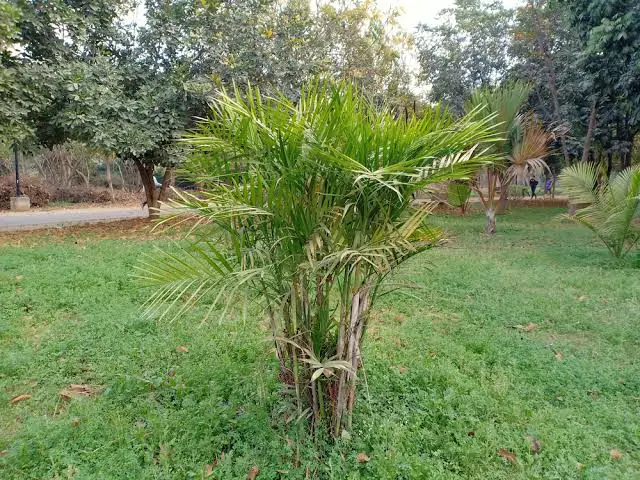
One question that comes up often is whether cat palm can be kept outdoors. In USDA hardiness zones 9b through 11, which covers parts of Florida, southern California, and Hawaii, cat palms can be grown outdoors year round in a sheltered, partially shaded spot. In most other parts of the country they are strictly indoor plants.
Keeping the cat palm away from air conditioning vents in summer is as important as keeping it away from cold windows in winter. Sudden blasts of either cold or hot dry air stress the plant and show up as brown tips and frond decline within days.
Fertilizing Through the Growing Season
Cat palms benefit from feeding during spring and summer when they are actively growing. A palm-specific fertilizer or a balanced liquid fertilizer applied every four weeks at half the recommended strength keeps the plant well nourished without the risk of salt buildup in the soil.
Stop feeding entirely in fall and winter. The plant is not growing and does not need the extra nutrients. Fertilizing a dormant or slow-growing plant leads to salt accumulation in the soil over time, which shows up as brown leaf tips and can eventually damage the roots.
One deficiency worth knowing about is magnesium, which palms in general are prone to. If older fronds start showing a yellow or orange tint while newer growth looks normal, it often points to magnesium deficiency rather than a watering or light issue. A monthly application of diluted Epsom salt, one teaspoon per gallon of water, applied as a soil drench helps correct this gradually.
Pests That Target Cat Palm Indoors
Spider mites are the pest most commonly associated with cat palm, and they thrive in exactly the dry conditions that also cause brown tips. A double problem in winter when humidity is low. They are tiny and hard to spot until the infestation grows, but the signs are a dusty, stippled appearance on the fronds and fine webbing on the undersides of leaves. Spider mites on plants thrive in exactly the same dry conditions that cause brown tips, making winter the highest risk period for cat palm owners.
Catching them early makes treatment straightforward. Wiping the fronds down with a damp cloth removes a large number of mites mechanically. Following up with a neem oil spray applied to both sides of the fronds once a week for three to four weeks clears up most infestations. Raising the humidity around the plant is the most effective long-term prevention because spider mites hate moisture.
Scale insects and mealybugs appear occasionally on indoor palms. Scale looks like small brown bumps attached to the frond stems. Mealybugs appear as white cottony clusters in the joints where fronds meet the stem. Both respond well to treatment with neem oil or insecticidal soap applied consistently over several weeks.
Cat Palm vs Majesty Palm and Areca Palm
People often compare these three palms when choosing an indoor plant, and the differences are worth understanding. Cat palm is the most compact of the three and generally the most tolerant of lower light conditions. Majesty palm grows considerably taller and is more demanding about humidity and bright light. Areca palm falls somewhere between the two in terms of size and care requirements.
For a smaller space or for someone newer to palm care, cat palm is usually the better starting point. It is forgiving of occasional watering inconsistencies, stays at a manageable size, and is safe for pets, which none of the other common indoor palms can claim with the same confidence.
The Honest Reality of Growing Cat Palm Indoors
Cat palm is not a set-it-and-forget-it plant. It wants attention to humidity, consistent moisture in the soil, good indirect light, and protection from cold drafts. When those things are right, it is a genuinely beautiful plant that brings a lush, tropical quality to a room that few other compact houseplants can match.
Most of the problems people experience, the brown tips, the frond drop, the slow decline, come back to humidity and water quality. Fix those two things and the other parts of the care routine fall into place relatively easily. The plant is more responsive than most to improvements in its environment, which means the effort you put in shows up quickly in the quality of new growth.
Start with the light, get the humidity up, and switch to filtered water if you have been using tap. Those three changes alone will make a visible difference within four to six weeks.
Frequently Asked Questions About Cat Palm Care
Is cat palm safe for cats and dogs?
Cat palm is non-toxic to both cats and dogs according to the ASPCA. It is one of the few popular indoor palms that pet owners can keep without concern about toxicity. That said, any plant material can cause mild stomach upset if eaten in large quantities, so keeping it out of reach of pets that like to chew on foliage is still a sensible precaution.
Why does my cat palm have brown tips on the fronds?
Brown tips on cat palm fronds are almost always caused by low humidity, fluoride sensitivity from tap water, or inconsistent watering. In most US homes, especially during winter when heating systems run constantly, low humidity is the primary cause. A humidifier near the plant and switching to filtered water addresses both of the most common causes. Once tips turn brown they will not recover, but trimming them at an angle and fixing the underlying issue stops new browning from developing.
How often should I water a cat palm indoors?
During spring and summer, water when the top inch of soil feels dry, which usually works out to every five to seven days. In fall and winter, reduce watering to every ten to twelve days as the plant slows its growth. Cat palms want consistently moist soil but should never sit in waterlogged conditions. Always water thoroughly and let the pot drain completely before returning it to its spot.
Can cat palm be kept outdoors?
Cat palm can be grown outdoors year round in USDA zones 9b through 11, which includes parts of southern Florida, southern California, and Hawaii. In cooler regions it can go outside during warm summer months as long as temperatures stay above 50 degrees Fahrenheit. It prefers a partially shaded outdoor spot and should be brought back indoors well before temperatures drop in fall.
Why are my cat palm leaves curling?
Leaf curling on cat palm is usually a sign of underwatering, low humidity, or heat stress. Check the soil first. If it has dried out completely, water thoroughly and the fronds should recover their shape within a day or two. If the soil moisture is fine, the issue is likely low humidity or the plant sitting too close to a heat source. Move it away from vents and radiators and increase the humidity around it.
How tall does a cat palm grow indoors?
Cat palms grown as indoor houseplants typically reach between three and six feet tall, though this develops slowly over several years. With good light, consistent watering, and regular feeding during the growing season, the plant reaches the higher end of that range. Its clumping growth habit means it also spreads outward as new stems emerge from the base, so it tends to look fuller and wider over time as well as taller.
How is a cat palm different from a majesty palm?
Cat palm stays more compact than majesty palm, typically reaching three to six feet indoors compared to the majesty palm’s potential eight to ten feet. Cat palm is generally more tolerant of lower light levels and is considered somewhat easier to manage in a typical home environment. Majesty palm demands more humidity, more light, and more space. Cat palm is also non-toxic to cats and dogs, which is a meaningful distinction for pet owners choosing between the two.
Why is my cat palm dying even though I am watering it regularly?
Regular watering does not automatically mean the right amount of watering. If the plant is declining despite consistent care, check the roots by removing it from the pot. Mushy, dark-colored roots with an unpleasant smell indicate root rot from overwatering or poor drainage rather than underwatering. Other possibilities include insufficient light causing slow decline, low humidity over an extended period, or cold stress from a drafty location. Work through each one systematically rather than changing everything at once.