Inside the Blog
Yarrow was the plant that finally made a difficult strip of garden work for me. The spot was dry, the soil was poor and compacted, it got full afternoon sun with no shade, and it sat along a path where nobody wanted to spend time watering or maintaining anything. I had tried ornamental grasses there, a couple of ornamental sages, and a lavender that did adequately but always looked stressed. When I finally planted yarrow, it thrived from the first season. By the second year it had spread to fill the whole area, the flat-topped flower clusters in white and soft yellow were covered in bees and butterflies through the summer, and I had essentially stopped maintaining that strip entirely. Sometimes the right plant for a difficult spot is the one you kept overlooking because it seemed too ordinary.
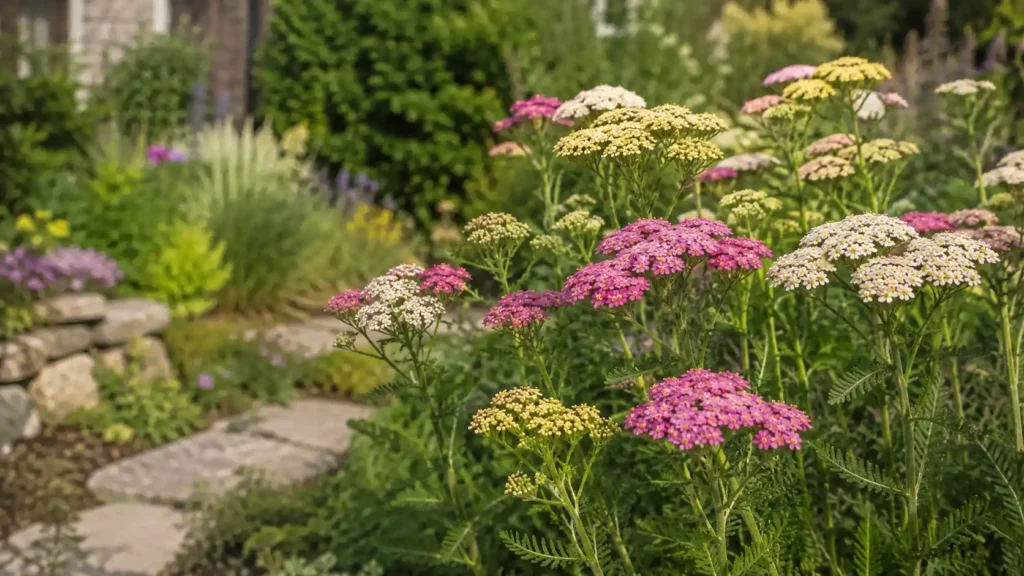
Achillea millefolium, commonly called yarrow, is a herbaceous perennial native across Europe, Asia, and North America, which means it has been growing in difficult conditions in the wild for a very long time. The feathery, aromatic leaves and flat-topped clusters of tiny flowers make it useful in borders, meadow plantings, cutting gardens, and anywhere you need something reliable in lean, dry conditions. It has a long history as a medicinal herb, though that is largely separate from its garden value.
Yarrow Plant Growing Conditions: Light, Soil, and Location
Full sun and well-draining soil are the two requirements yarrow actually insists on. It does not just tolerate dry, poor soil. It actively prefers it. Rich, moist, fertile garden soil causes yarrow to grow too quickly, produce tall floppy stems that need staking, and spread more aggressively than you want. Lean soil keeps the plant compact, upright, and more controlled.
Partial shade is tolerated, but yarrow in too much shade stretches toward the light, produces far fewer flowers, and becomes more susceptible to powdery mildew, which is a cosmetic but persistent problem in humid, shaded conditions. A sunny position with good air circulation is consistently the best growing environment.
How to Plant Yarrow: Spacing, Soil, and Planting Time
Plant yarrow in spring or early autumn in a spot that gets at least six hours of direct sun. Dig a hole the same depth as the root ball, place the plant in at the same depth it was growing in the pot, backfill with the native soil, and water in well. After that, water only during the first few weeks while the roots establish. Once settled, yarrow rarely needs supplemental watering except during extended drought.
Spacing depends on the variety and your goals. For ground cover or meadow planting, spacing plants twelve to eighteen inches apart allows them to fill in and naturalise over one to two seasons. For a more controlled border plant, spacing two feet apart and dividing regularly keeps it contained.
How to Water Yarrow Plants: Watering Requirements and Drought Tolerance
Established yarrow is one of the most drought-tolerant flowering perennials available for US gardens. Once the roots are established, which typically takes one growing season, it survives on rainfall alone in most climates. During extended dry periods in summer, a deep watering once every two to three weeks is generally enough.
Overwatering yarrow, or growing it in soil that retains too much moisture, causes far more problems than underwatering. Wet conditions encourage the root rot and fungal issues that yarrow rarely experiences in well-draining, drier conditions. If your soil is clay-heavy, amend it before planting or choose a different spot. Our guide on how to improve clay soilcovers the preparation steps worth doing if your garden has drainage problems.
How to Fertilize Yarrow Plants: Feeding Requirements
Rarely, and even then not much. Yarrow evolved in nutrient-poor conditions and performs best without heavy feeding. A light application of balanced slow-release fertiliser in early spring is the maximum most yarrow plants benefit from. Rich feeding causes the floppy, overly lush growth that needs staking and loses the tidy, upright habit that makes yarrow attractive in the first place.
In genuinely poor, compacted soil where other plants also struggle, adding compost to improve the soil structure before planting is worthwhile, since this is a soil preparation step rather than ongoing fertilising.
How to Control Yarrow Spread in Your Garden
Yarrow spreads by rhizome underground and by self-seeding, and it can be more vigorous than expected in ideal conditions. In a managed border, division every two to three years is the most effective way to control the spread and keep the plant within bounds. Divide in early spring, replant what you want in the original spot, and compost or share the rest.
Deadheading spent flowers before they go to seed reduces self-seeding significantly. Cutting back to the base of the spent flower stems rather than just removing the flower heads is more effective since it removes the seed-bearing parts completely.
Yarrow Flowers for Cutting and Drying: How to Harvest
Yarrow is one of the most useful cutting garden flowers because the flat-topped heads cut well, last well in water, and dry beautifully for dried arrangements. Cut stems when the flower clusters are fully open but before individual tiny flowers begin to drop. For drying, hang bunches upside down in a warm, dry, dark space. The colours fade slightly when dried but remain attractive for months.
This makes yarrow useful both in the garden, where it attracts pollinators through its long flowering period, and indoors as a cut or dried flower. Our guide on how to attract pollinators to your garden covers yarrow as part of a pollinator-focused planting plan alongside other summer-flowering species.
Best Yarrow Varieties to Grow in the Garden
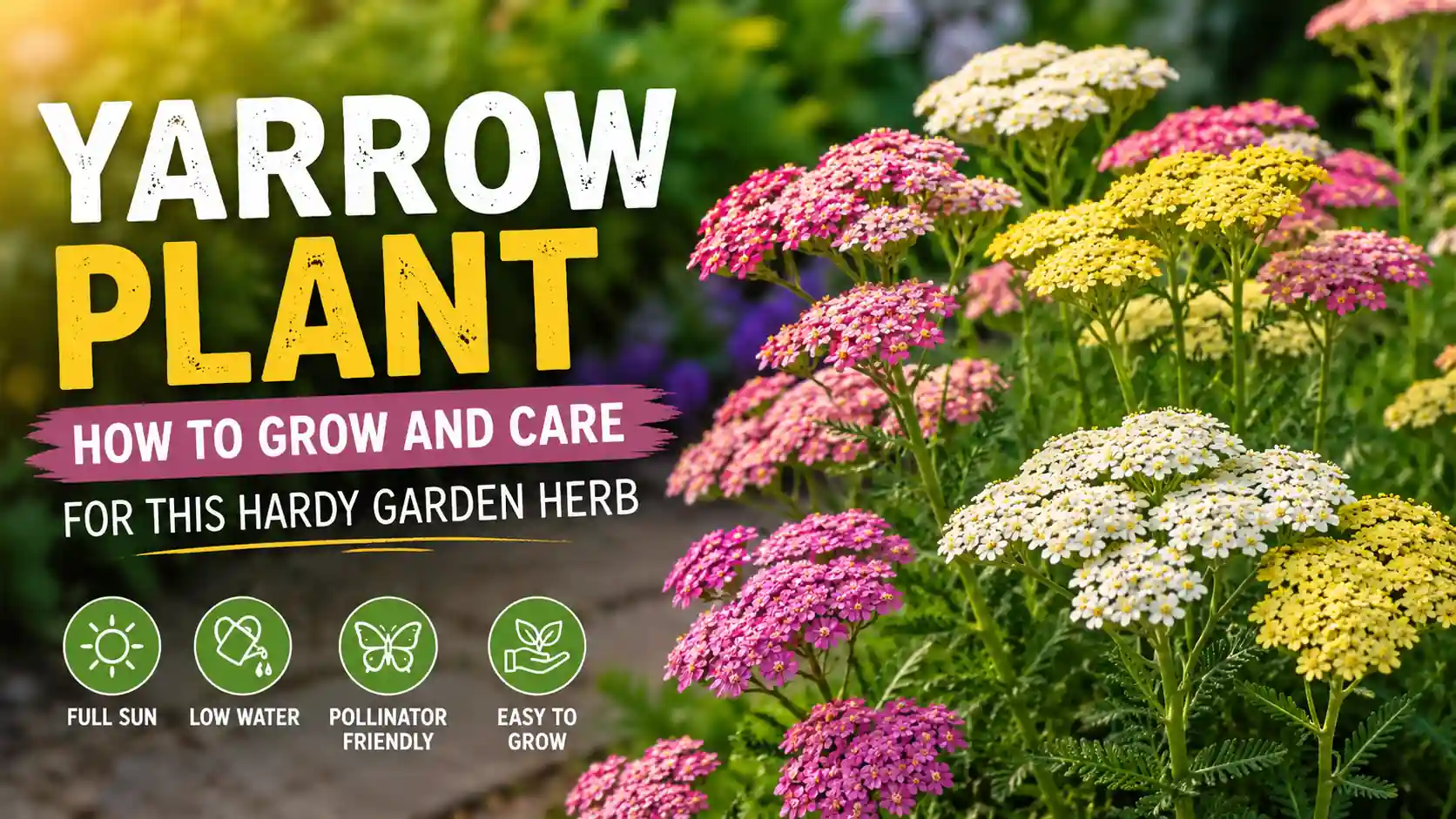
The wild species produces white flowers, but cultivated varieties extend the colour range considerably. Achillea Moonshine has soft yellow flowers and grey-green foliage and stays more compact than many others. Achillea Cerise Queen produces deep pink flowers that fade to a softer tone as they age. Achillea Terracotta blooms in a warm orange-red that ages to a pinkish cream. Mixing varieties creates a planting that looks cohesive but provides range across the season.
Yarrow Plant FAQs: Common Questions About Growing Yarrow
Is yarrow invasive?
It can spread vigorously in ideal conditions and is considered invasive in some areas, particularly where it escapes managed gardens into natural habitats. Dividing regularly, deadheading before seeds mature, and choosing named cultivated varieties rather than the wild species helps keep it controlled in a garden setting. Check whether it is on a local invasive species list before planting in your area.
How tall does yarrow grow?
Most garden varieties reach two to three feet in height in good sun. In richer, moister soil or partial shade, stems can grow taller and become floppy. Choosing compact cultivated varieties rather than the tall wild type reduces the need for staking.
Does yarrow come back every year?
Yes. Yarrow is a perennial that dies back to the ground in winter and returns reliably each spring. It is cold hardy to zone 3, which covers most of the continental US. Once established it is one of the most reliably returning perennials in the garden.
Can yarrow grow in clay soil?
It tolerates clay better than many drought-tolerant plants but performs best in free-draining conditions. In heavy clay, yarrow tends to develop root problems and loses its drought tolerance since the clay holds moisture for too long. Amending clay soil with grit and compost before planting improves its performance.
When does yarrow bloom?
Most varieties begin flowering in early to midsummer and continue with a second or even third flush if deadheaded consistently. The main flowering period is roughly June through August across most of the US.
Is yarrow deer resistant?
Yes. The aromatic foliage of yarrow is strongly unappealing to deer. It is one of the more reliably deer-resistant perennials for gardens where deer pressure limits plant choices, which is also covered in the context of other deer-resistant options on our site.
Have questions about growing yarrow in your garden? Drop them in the comments below. I read every one and love talking about this stuff.